Begin with the customer experience, not a material label
State what the buyer should see, feel and understand when using the finished product. Soft, lightweight, natural, matte, defined or resilient can guide development, but none is a complete material specification. Connect each word to the target customer, product format, application route and visible result before selecting a fiber direction.
- Target customer and channel
- Finished-lash look and feel
- Application or artist-use context
- Attributes the brand must preserve
- Attributes the brand wants to avoid
Separate material family from the formed fiber
Terms such as synthetic, PBT, faux mink, silk or cashmere are often used as broad category or marketing labels. They do not by themselves identify color, surface finish, apparent diameter, flexibility, resilience, taper, curl response or behavior after later processing. Record the declared material family where applicable, then evaluate the actual formed fiber and finished product rather than treating the name as proof of performance.
- Declared material or fiber family
- Color and matte or gloss direction
- Apparent thickness and taper
- Flexibility and shape return
- Processing and construction compatibility
Translate brand language into observable comparison criteria
Turn every important adjective into something a team can compare side by side. A softer target can be reviewed through hand feel and flexibility against an agreed reference. A natural target can be reviewed through color, finish, taper, apparent weight and the completed lash map. A resilience target can be reviewed through how the sample returns after the agreed handling condition. These observations guide approval; project-specific measurements and tests are confirmed only when they are required.
- Softness: tactile comparison against a reference
- Lightweight direction: fiber and completed-construction comparison
- Natural direction: finish, taper, color and visual density
- Resilience: return after an agreed handling condition
- Curl response: consistency after the intended forming route
Develop the fiber with the actual lash construction
The same material direction can behave differently after it becomes a strip lash, DIY cluster, pre-glued format or professional extension. Band or root construction, density, layering, curl, length progression, adhesive route, tray release and later processing all contribute to the final experience. Review the material inside the intended product architecture before approving it for the range.
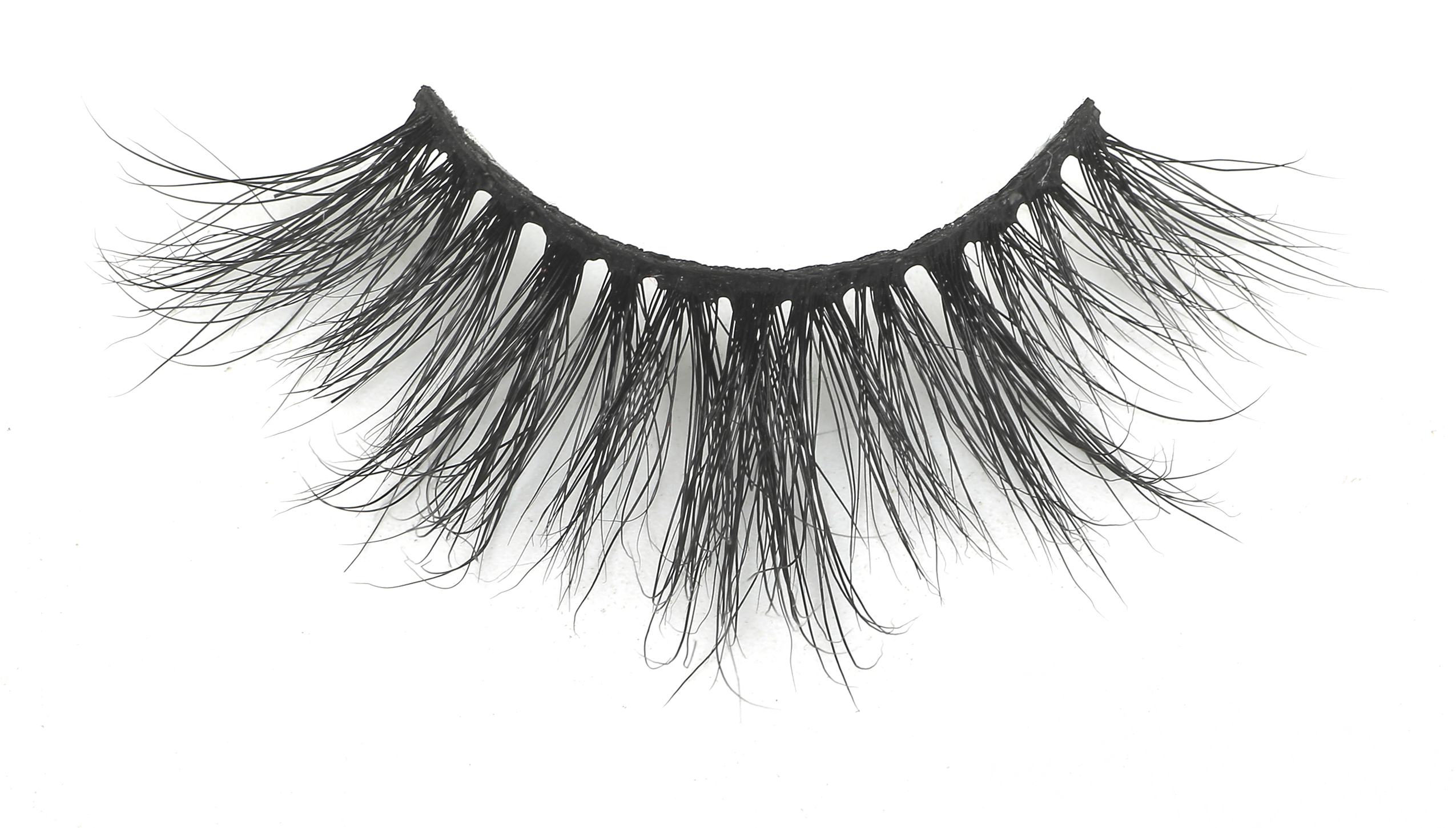
- Strip lash map, density and band
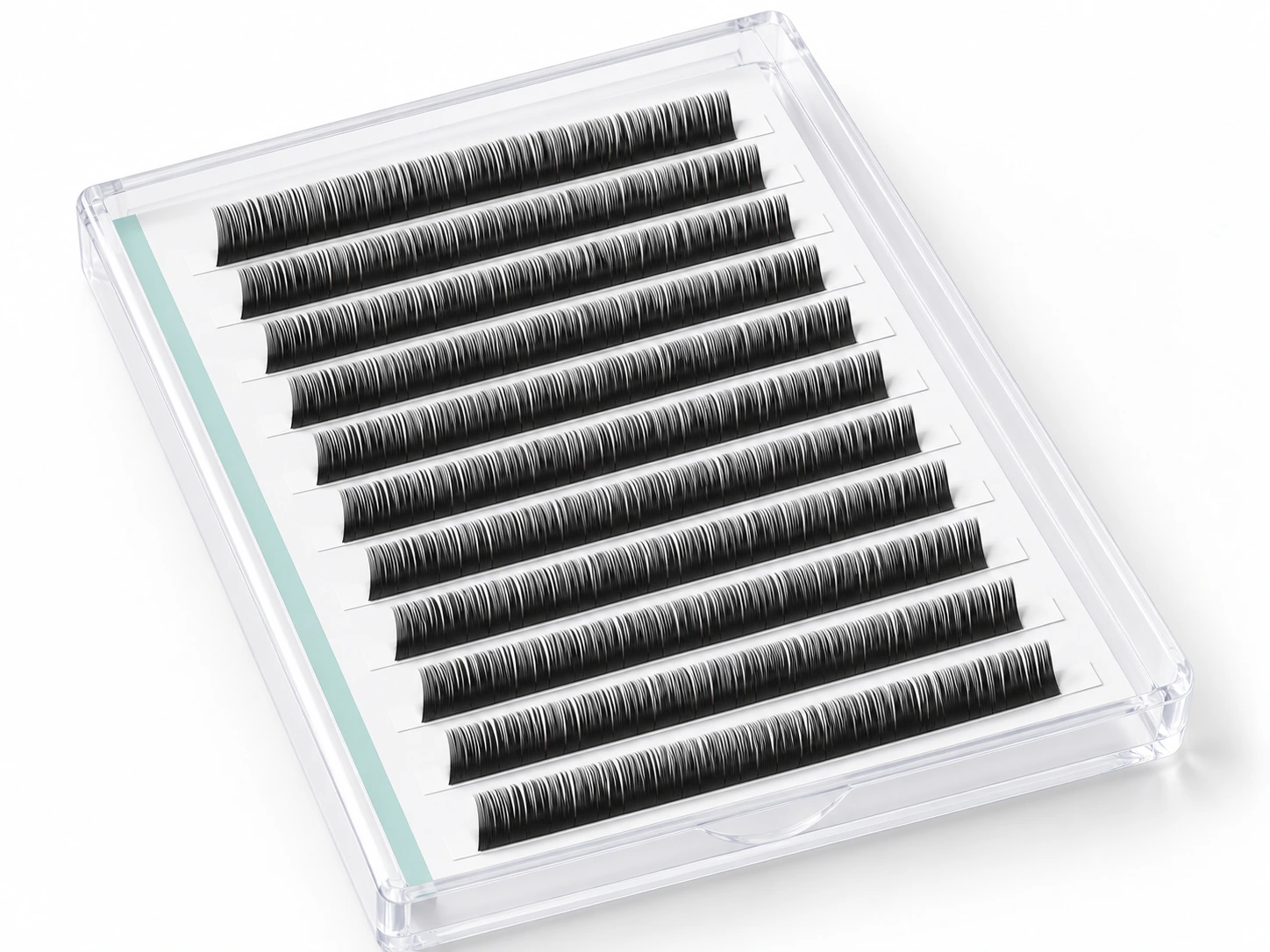
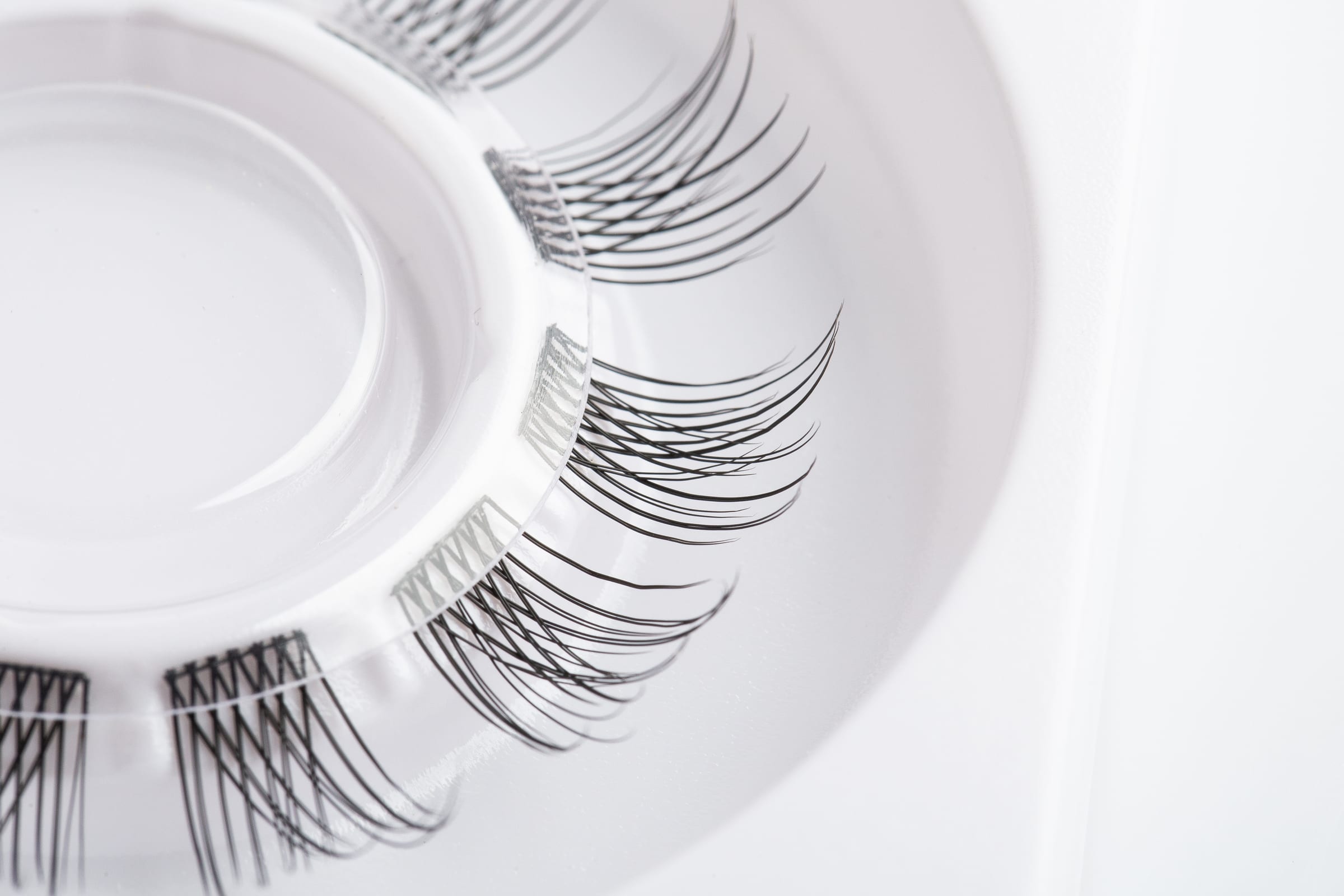
- DIY cluster segment, base and pickup
- Pre-glued base, protection and release
- Professional extension root, strip and handling
- Tray, tool and application-system interaction
Compare controlled sample directions
Use one reference and a small set of purposeful sample directions. Hold the product format and other important variables steady where practical, then change the material attribute or linked variable set under review. Label every sample, use the same viewing and handling conditions and record what improved, what changed unintentionally and which result should be revised or rejected.
- One approved or target reference
- One primary material question per comparison
- Consistent product format and review condition
- Pass, revise and reject criteria
- Named reviewer, sample code and review date
Use fiber-forming capability to create a brand-owned direction
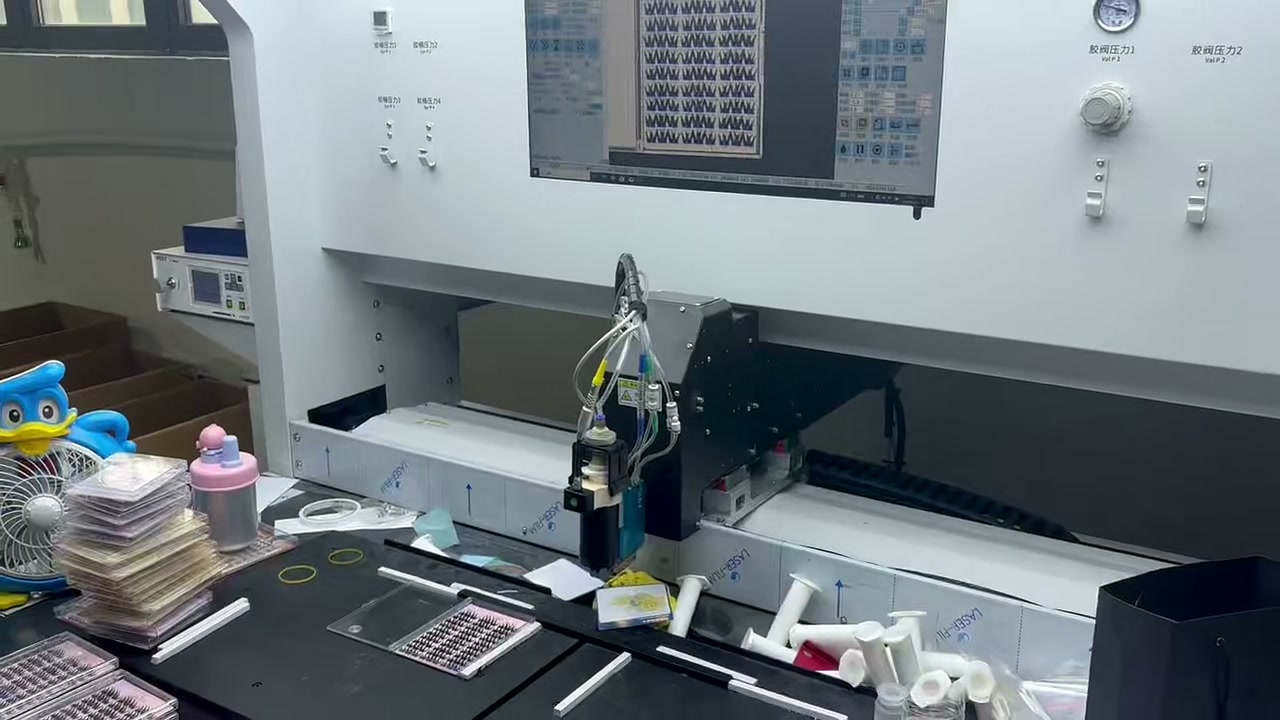
UNIBEAUTY's own fiber-forming capability allows a qualified project to begin with a project-specific material direction rather than only a stock style selection. The value is not an unsupported promise that one fiber is universally best. It is the ability to coordinate fiber feel, finish and response with curl, thickness, density, structure and application so the approved product reflects the brand's intended experience more deeply.
- Project-specific fiber direction
- Material and structure developed together
- Physical comparison before approval
- Feasibility confirmed for the intended format
- Commercial scope confirmed for the actual program
Freeze the approved material direction with the product version
The approved fiber should not remain a description in an email. Retain the physical sample, applicable material and forming notes, visible finish, comparison photographs, finished construction, packaging version and product-specific QC points under one product code. If a material, process or component changes later, compare the proposed version with this controlled reference before it enters production or a repeat order.
- Approved physical fiber and finished-lash reference
- Material, finish and forming direction
- Product structure and application version
- Controlled photographs and review notes
- Change-notification and repeat-order record
Approve value at three levels
A strong material choice must work for the customer, the brand and the supply program. Confirm that the finished product creates a perceptible and explainable difference, that the brand can present it without unverified claims and that the accepted version can be identified and reviewed again. A deeper material route is useful when it strengthens a real product proposition—not when it merely adds a premium-sounding fiber name.
- Customer: visible or handling difference in the finished product
- Brand: a clear product story supported by the sample
- Manufacturing: a controlled version and review route
- Reorder: reference, change control and project confirmation
Buyer questions
Is PBT enough information for a custom eyelash fiber specification?
No. A material-family label does not fully describe finish, apparent thickness, flexibility, resilience, taper, curl response or behavior in the finished construction. Pair the declared material with physical samples, observable criteria and the approved product version.
Can a beauty brand specify softness without defining an exact formula?
Yes. The brand can define a target through an agreed physical reference, side-by-side tactile review and the intended finished product. Exact composition, measurements or tests are added only when the project requires and verifies them.
Can one fiber direction be approved for strips, clusters and professional extensions?
Not automatically. Each format changes the root or band, density, processing, pickup, application and presentation. Validate the material in every intended construction before treating it as approved across a range.
What should be retained after custom eyelash fiber approval?
Retain the approved physical reference, applicable material and forming direction, finish and color target, finished product construction, comparison record, product code, packaging version, QC points and any approved changes.
Related UNIBEAUTY capability pages
These official pages document the wider product-development, manufacturing and packaging model behind this guide.