Why the fiber starting point matters
Two lashes can look similar in a product photograph and still feel different in the hand and on the eye. Fiber composition and forming direction influence apparent softness, resilience, surface character, weight perception and how consistently the material responds through later processing. A supplier limited to standard stock fiber can adjust style, but the material starting point remains shared.
- Softness and surface feel
- Resilience and return
- Diameter and visual weight
- Color and finish direction
What fiber-level customization changes
With project-specific fiber development, the brief can define the desired experience before the lash style is assembled. The selected fiber direction is then evaluated with the intended curl profile, thickness, length progression and construction. This produces a more defensible product identity than changing only the map or box.
- Project-specific fiber direction
- Curl and thickness pairing
- Finish and color control
- Compatibility with the intended construction
Build the finished architecture on top
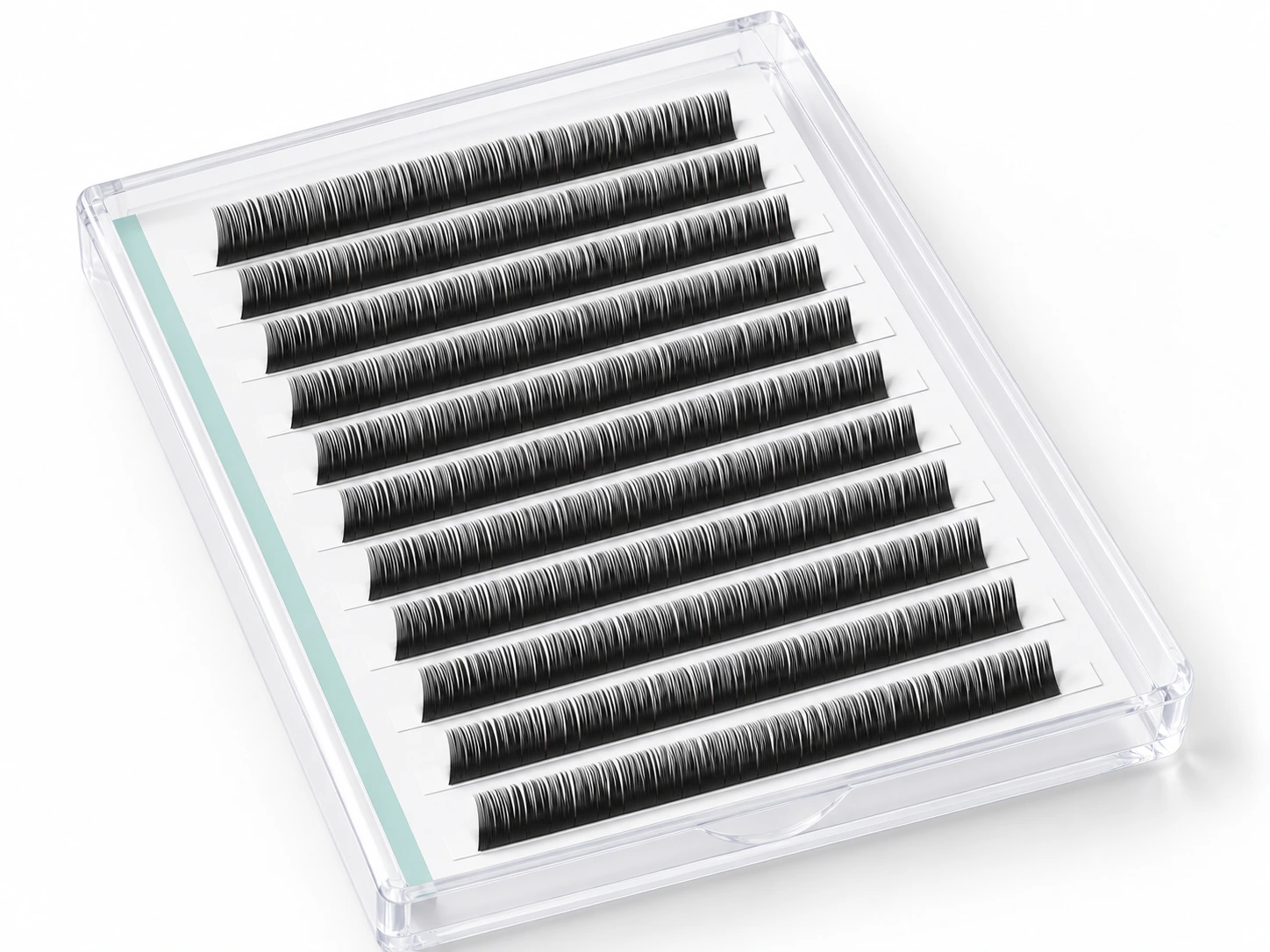
Fiber alone is not the finished product. Strip lashes still need eye shape, density, band and pair-count decisions. DIY clusters need segment length, map, root or band, tray and application logic. Professional extensions need curl, diameter, root profile, pickup and strip-release controls. Each format turns the customized material into a different consumer or artist experience.
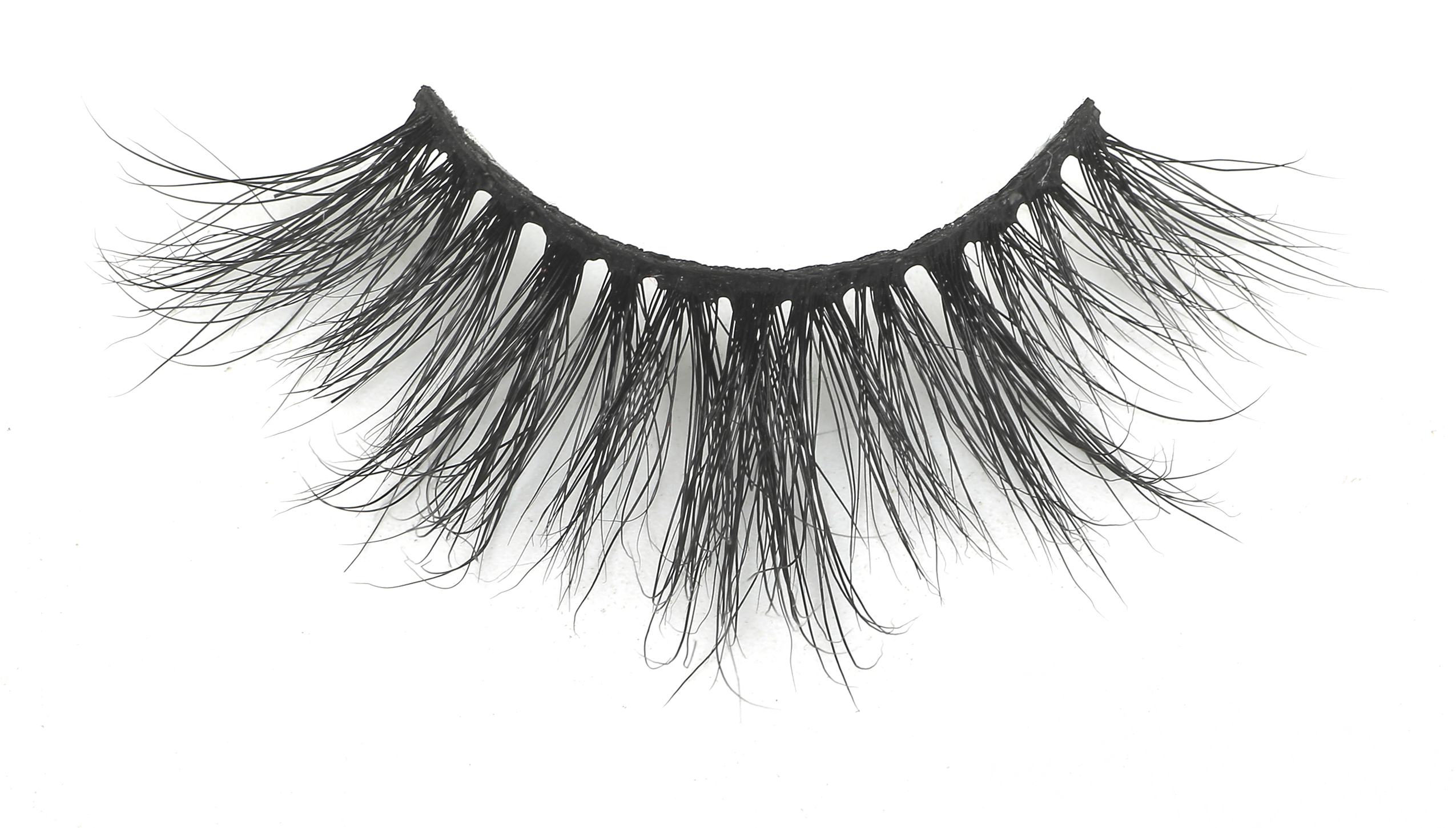
- Strip lash eye shape and band
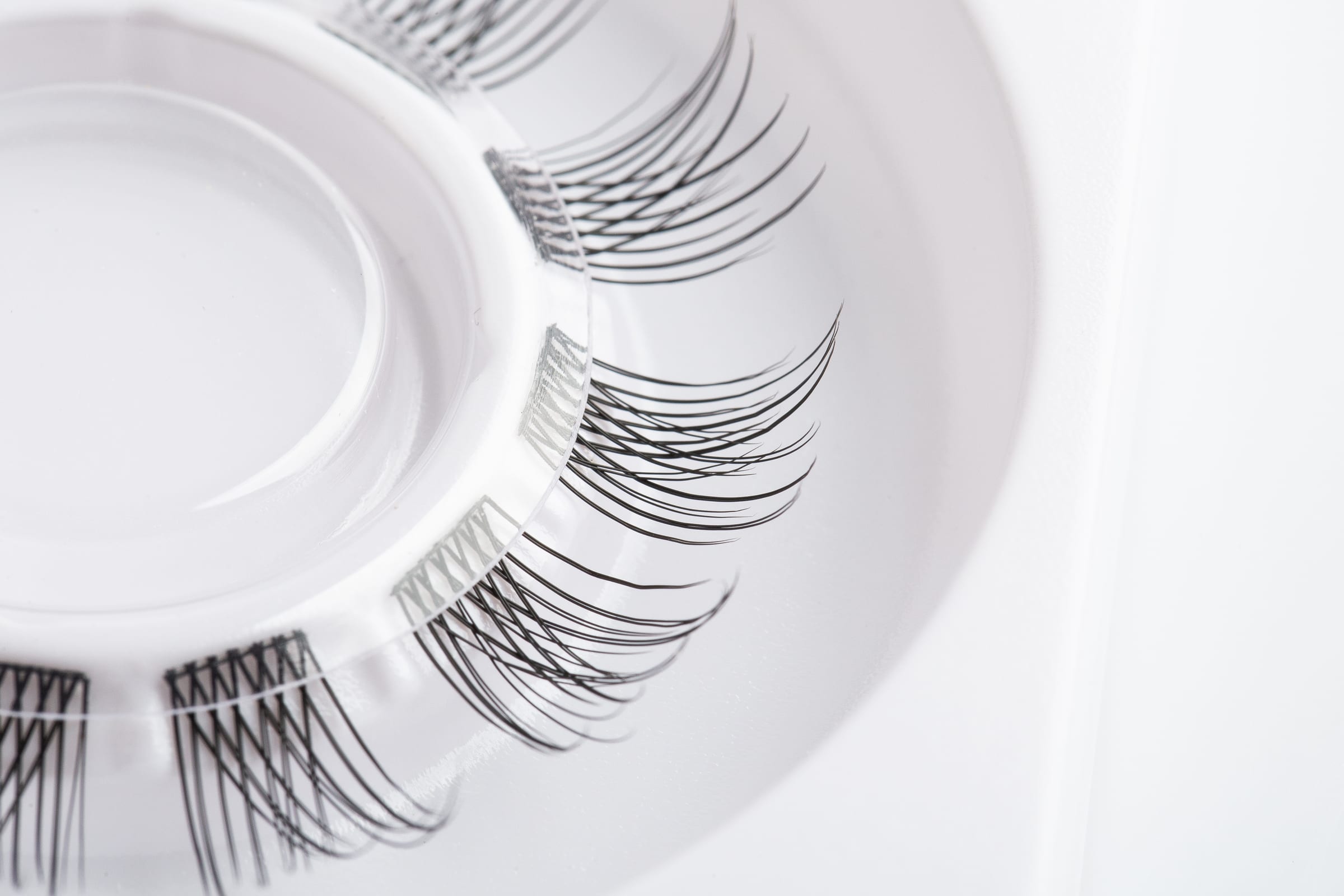
- DIY cluster map and segment behavior
- Professional extension root and pickup
- Pre-glued protection and application
Use the platform to develop new formats
The same material-to-structure route supports product innovation beyond one custom style. UNIBEAUTY's development work includes 30P and 40P segment configurations, half-lash directions and customized lash structures. These are starting capabilities, not claims that every format fits every brand; the commercial role and physical sample still decide what belongs in the range.
- 30P and 40P segment configurations
- Half-lash directions
- New segment and root structures
- Channel-specific kits and presentations
Make the difference testable
High-end customization should survive comparison, not remain a marketing adjective. Samples are reviewed against an agreed reference for hand feel, visible finish, curl consistency, fiber return, construction and intended use behavior. The approved material and product version then become part of the production handoff.
- Side-by-side physical sample
- Visible and tactile review criteria
- Product-specific use testing
- Approved version for production
Create a product competitors cannot copy from a photo
A competitor may imitate a visible map, but it cannot reproduce the full experience from an image alone when the fiber direction, processing choices, construction, application system and packaging are specified as one controlled product. The commercial advantage is not absolute exclusivity; it is a deeper and more difficult-to-substitute product identity.
- Material plus structure differentiation
- Brand-owned product specification
- Harder-to-substitute feel and behavior
- Controlled repeat-order reference
Best fit for established B2B programs
This development depth is designed for beauty brands, lash category leaders, global distributors and retail groups that need a distinctive product platform—not consumer retail or micro-order purchasing. Feasibility, samples, quantity, timing, tests and final production conditions are confirmed for the specific project.
Buyer questions
Can eyelash fiber itself be customized?
Yes. UNIBEAUTY can review project-specific fiber direction through its own fiber-forming capability, then pair the material with the intended curl, thickness, structure and product format. Final feasibility is confirmed through sampling.
Is fiber customization the same as choosing a different lash style?
No. Style changes the visible architecture. Fiber-level development begins with material experience and performance, which can affect softness, resilience, finish and the behavior of the finished construction.
Does custom fiber make a lash impossible to copy?
No manufacturer should promise absolute impossibility. It does create a deeper product specification that is harder to reproduce from appearance alone because material, process, construction and application behavior work together.
Can I request BASF German-origin or premium Korean PBT material options?
UNIBEAUTY can review German-origin BASF PBT and premium Korean PBT material options with refined fiber-drawing and custom material development for the quoted project. These are synthetic material routes, not human hair. Confirm the selected material grade, availability and origin records, then approve the formed fiber in the intended lash construction. BASF is the raw-material source, not the manufacturer of finished lash fiber or eyelashes. Raw-material origin is separate from China-based finished-lash manufacturing.
Can product photos prove lash softness and fiber quality?
No. Similar product photographs can show a similar style without proving the same material, softness or handling behavior. Compare controlled physical samples against an agreed reference, holding the product construction and viewing or handling conditions consistent where practical. Review tactile feel, visible finish, curl consistency, fiber return and the intended product behavior; confirm any required measurements or tests for the project. Retain the approved material, sample and product version for production and reorders.
Related UNIBEAUTY capability pages
These official pages document the wider product-development, manufacturing and packaging model behind this guide.