Turn the approved sample into the control reference
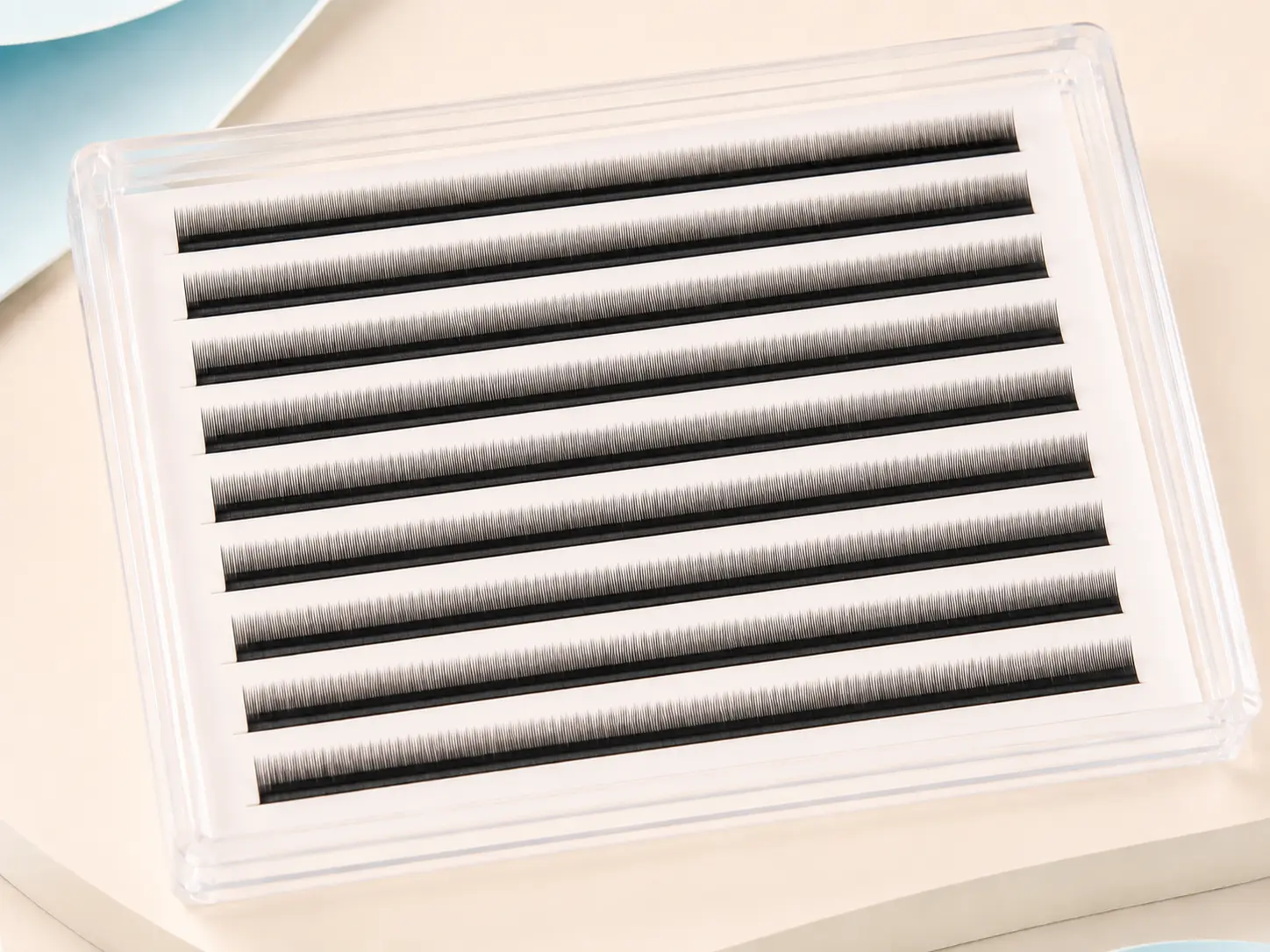
A physical sample shows the target product, but it must be paired with a readable record. Capture the applicable fiber or material direction, curl, length, thickness, density, map, root or band, tray configuration and finished presentation. The product name and photograph help identify the SKU; they do not replace the construction details needed for production.
- Approved physical sample
- Material and construction direction
- Visible style and dimensional attributes
- Tray, label and pack-out reference
Define quality around the actual lash format
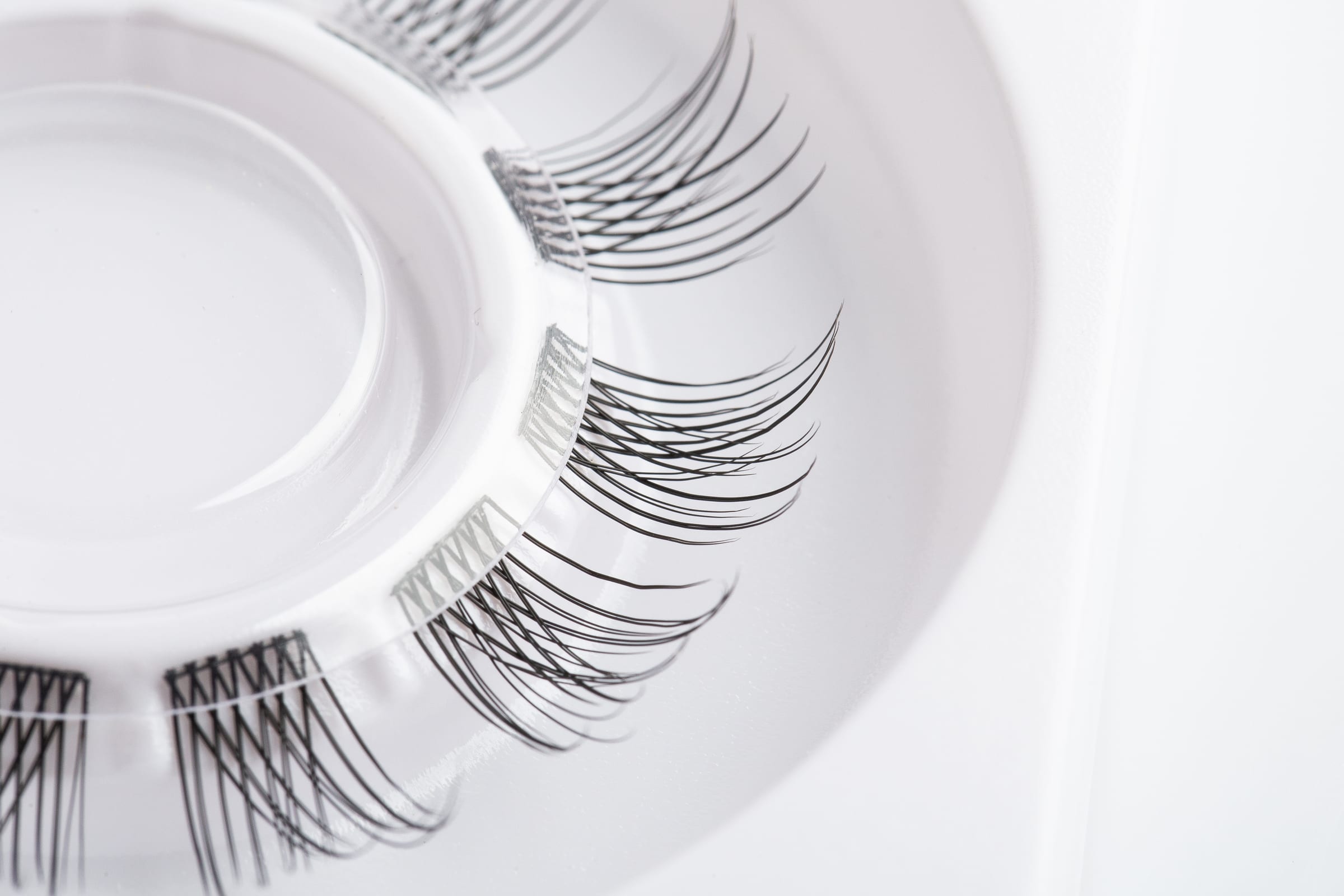
Consistency checks should follow the product experience. Strip lashes need eye shape, band, pair symmetry and tray presentation controls. DIY clusters need segment structure, pickup, length map and tray organization. Professional extensions need curl, root profile, strip release, labeling and artist-use checks. Project-specific acceptance limits are agreed where measurements or tolerances apply.
- Strip: shape, band and pair presentation
- Cluster: segment, map, pickup and tray
- Extension: curl, root, release and label
- Kit: component count, fit and instructions
Compare appearance, handling and pack-out separately
A batch can look correct in a tray and still behave differently during pickup or application. It can also contain the right lash with the wrong label or packaging component. Separate the review into visual consistency, handling or application behavior, component accuracy and shipment presentation so one acceptable result does not hide another failure.
- Visual comparison
- Pickup or application behavior
- Label and component accuracy
- Packing and shipment preparation
Control material and construction changes
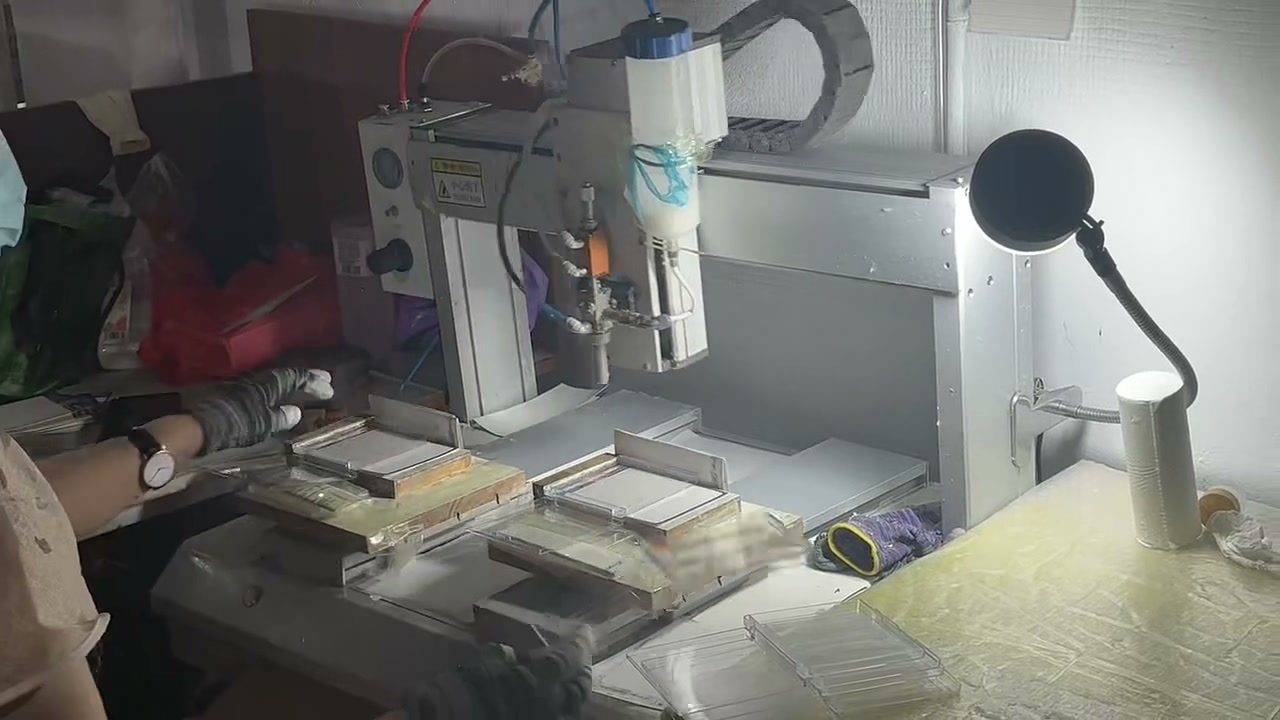
Material availability, equipment, components and process conditions can change over the life of a SKU. A controlled reorder identifies any proposed change before production, evaluates the effect on the approved experience and records the decision. A substitute should not enter a repeat order merely because it looks similar in a catalog photograph.
- Proposed-change notice
- Side-by-side sample when needed
- Buyer approval or rejection
- Updated controlled version
Keep packaging versions connected to the product
Repeat production includes the tray, card, carton, label, insert, barcode, instructions and outer packing—not only the lashes. Retain the approved artwork version, component list, remaining printed inventory and applicable packing method. This prevents an old label or changed insert from turning a technically correct lash into an unusable delivery.
- Approved artwork files
- Component and quantity list
- Printed-inventory awareness
- Pack-out and carton reference
Use the first production batch to strengthen the reorder file
Compare the first bulk production with the approved sample and record the results that matter to the buyer's channel. Where practical, retain an agreed reference from the accepted production. Future orders can then be reviewed against both the approved development target and the last accepted commercial batch.
- Pre-shipment inspection checkpoints
- Accepted production reference
- Open deviations and decisions
- Reorder comparison record
Ask for a system, not an absolute promise
No responsible manufacturer should claim that every handmade or material-dependent product will be mathematically identical forever. The useful question is how variation is defined, checked, communicated and approved. UNIBEAUTY coordinates product-specific checkpoints, approved references and controlled changes for established B2B programs; final specifications, tolerances, records, quantities and timing are confirmed by project.
Buyer questions
Can a lash manufacturer guarantee that every repeat batch is identical?
A responsible supplier should not promise absolute mathematical identity for every material-dependent or handmade attribute. It should define the approved reference, applicable acceptance limits, inspection checkpoints and the process for communicating and approving changes.
What should be retained after lash sample approval?
Retain the approved physical sample, product and material specification, product-specific QC points, tray and packaging components, artwork versions, labeling details and the record of any approved changes.
Is using the same lash style name enough for a reorder?
No. A style name does not fully identify fiber direction, curl, thickness, density, map, root or band, tray, packaging or handling behavior. Repeat orders need a controlled specification and approved reference.
Related UNIBEAUTY capability pages
These official pages document the wider product-development, manufacturing and packaging model behind this guide.