
Protect the business already working
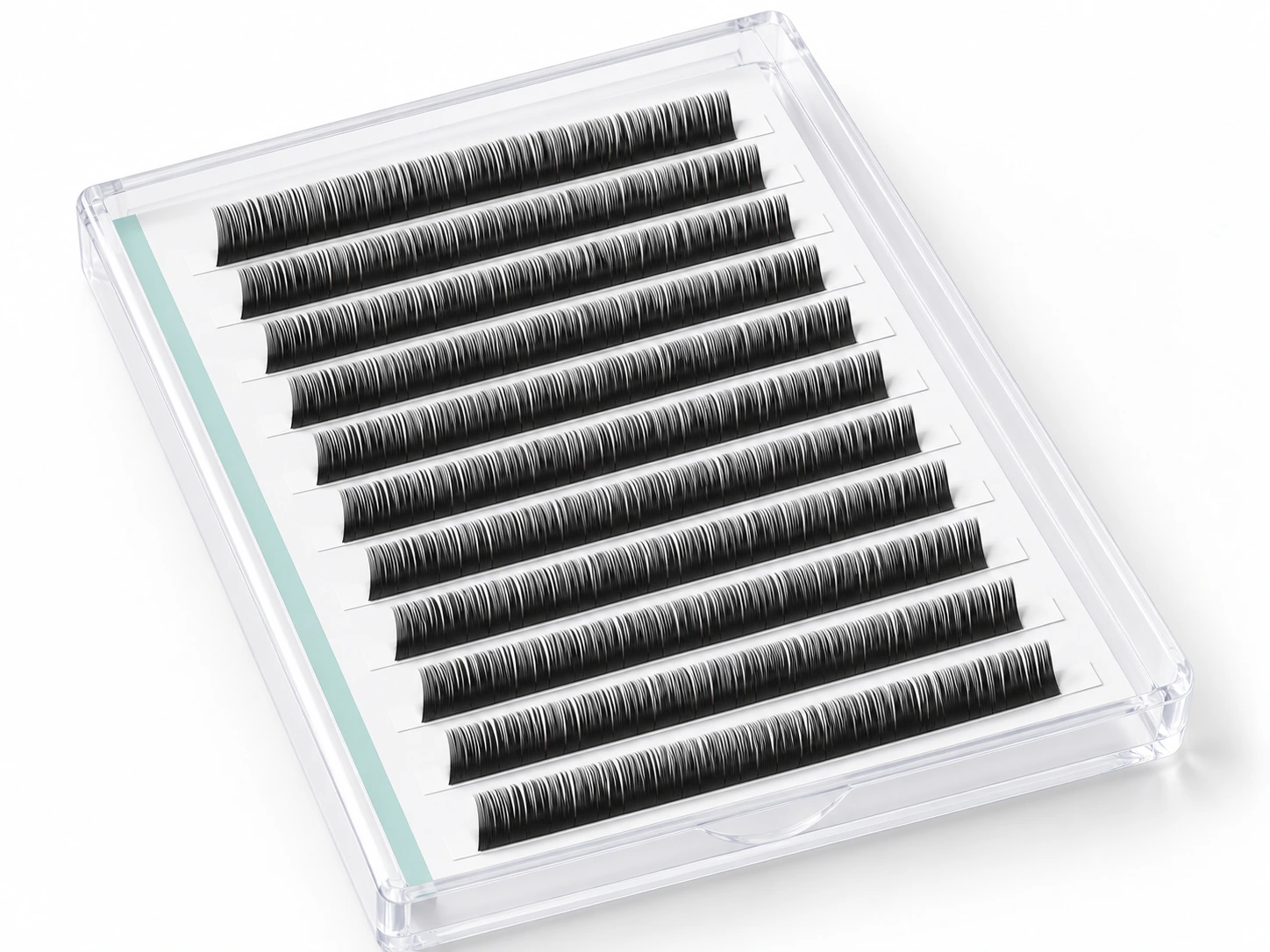
Supply-chain change should begin with the products, attributes and service levels that must not drift. We separate commercial identity from technical specification: the customer may describe a hero SKU by name, but production needs the actual fiber, curl, length, density, root or band, tray and pack-out reference.
- Hero-SKU specification capture
- Approved physical sample
- Packaging and artwork version
- Required QC and delivery checkpoints
Use customization to escape assortment sameness
Extreme customization is most valuable when it creates a visible and defensible reason to buy. That can mean a new cluster map, a controlled pre-glued base, a more precise root profile, a channel-specific multipack, a coordinated kit or a brand-owned packaging system. Every direction is reduced to attributes that can be sampled and checked.
- Structure and application behavior
- Material and visual finish
- Assortment and kit architecture
- Packaging and retail presentation
Develop from evidence, not trend labels
We use current official retail references to identify product forms, launch or page timing, style direction and commercial role. A listing, review count or sold-out badge is not automatically proof of bestseller status. The evidence is converted into a sample hypothesis, then judged against the distributor's own customer and current range.
- Traceable source and page time
- Exact reference style
- Consumer perspective
- Connection to the current range
- Commercial role
Make quality specific to the product
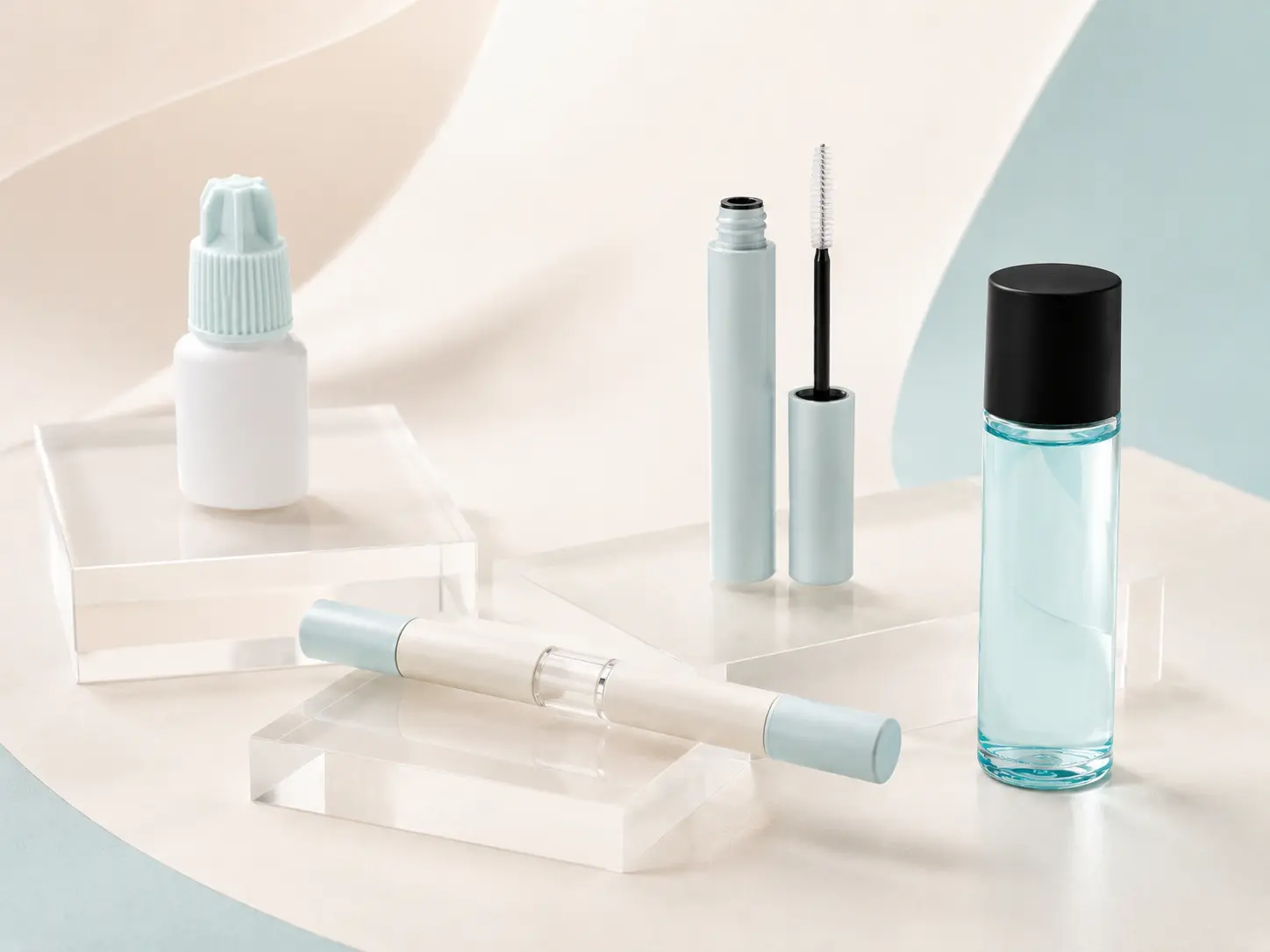
Strip bands, premade fan roots, cluster pickup, adhesive containers, tweezers and kits cannot share one generic inspection sentence. Product-specific checkpoints connect the approved sample to appearance, handling, labeling, component count and pack-out. Remote factory video review can support project visibility when an in-person visit is not practical.
- Visible structure and consistency
- Pickup, release or use behavior
- Component and label accuracy
- Remote review and shipment preparation
Score supplier performance after the pilot order
Global procurement teams should review an eyelash supplier against the exact program, agreed milestones and documented outcomes—not one generic rating. A practical supplier performance scorecard can compare product conformity, on-time production and shipment readiness, packaging and document accuracy, response to non-conformities, change notification and repeat-order reliability. Record the review period, evidence source and owner for every measure so the score supports a sourcing decision instead of becoming a marketing claim.
- Quality and approved-specification conformity
- On-time production and shipment readiness
- Packaging and document accuracy
- Corrective-action response and closure
- Change control and supply continuity
Keep range growth operationally readable
As the assortment expands, style names alone are not enough. We retain approved references, component lists, artwork versions and controlled changes so repeat orders have a clear starting point. Kit, refill, multipack and cross-category concepts are planned around channel logic rather than added as disconnected SKUs.
- Range and style architecture
- Kit, refill and multipack roles
- Repeat-order specification
- Controlled change history
Buyer questions
Can UNIBEAUTY reproduce an existing lash exactly?
An existing product can be used as a benchmark, but feasibility depends on materials, construction, processes, intellectual-property boundaries and the approved sample. The goal is a controlled, brand-owned production specification—not an unconditional copy promise.
How does UNIBEAUTY support repeat-order consistency?
Approved samples, visible product specifications, packaging components, artwork versions and QC checkpoints are retained as the reference for production and controlled changes.
What should a wholesale lash supplier performance review measure?
Use measures tied to the agreed program: approved-specification conformity, production and shipment-readiness milestones, packaging and document accuracy, communication, corrective-action closure, change notification and repeat-order continuity. Define the period and evidence before assigning a score.
Who is this service designed for?
It is designed for established B2B lash distributors, beauty brands, retail groups and professional-channel operators that need product development and scalable supply rather than small retail quantities.
Related UNIBEAUTY capability pages
These official pages document the wider product-development, manufacturing and packaging model behind this guide.