Define why the product is moving
Start by naming the business objective: replacing an unavailable supplier, reducing single-source exposure, adding regional or volume flexibility, correcting quality drift or upgrading the product. The objective determines whether the new manufacturer must qualify an equivalent version, propose a controlled improvement or build a second source that can operate beside the current one.
- Supplier replacement or contingency
- Second-source qualification
- Quality or repeat-order recovery
- Product or packaging upgrade
- Required launch and replenishment continuity
Freeze the current approved baseline
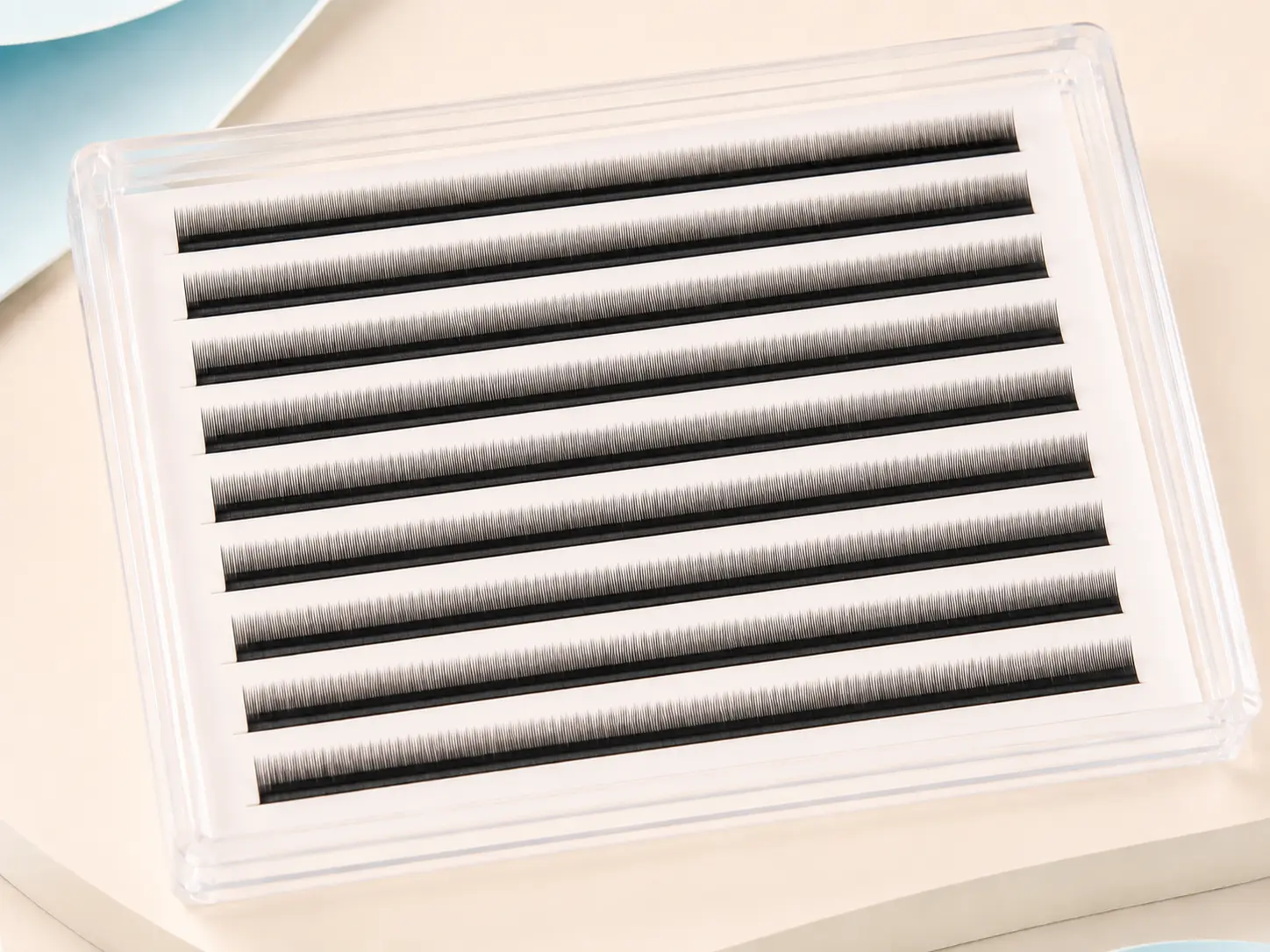
Choose the exact commercial version that customers already recognize. Retain an approved physical sample, controlled photographs and a readable record of material direction, curl, thickness, density, map, root or band, pickup or application behavior, tray, packaging, labels and artwork. A current retail unit can support comparison, but it should not be treated as the complete production specification by itself.
- Approved physical product reference
- Format-specific product specification
- Use and handling checkpoints
- Packaging component list and artwork version
- Known acceptable variation and unresolved fields
Transfer only information the brand can authorize
Separate brand-owned requirements and supplied assets from a previous manufacturer's confidential know-how. The buyer should confirm its rights to share product files, artwork, tooling records, test reports and supplied samples. The new manufacturer can evaluate a lawfully provided product and develop an authorized production route, but a transfer brief should not ask for protected processes, trade secrets or copied brand identity that the buyer does not control.
- Brand-owned specification and artwork
- Authorized physical references
- Tooling, drawings and files with confirmed rights
- Confidentiality and permitted-use boundaries
- Intellectual-property questions for qualified counsel
Run a manufacturing gap analysis
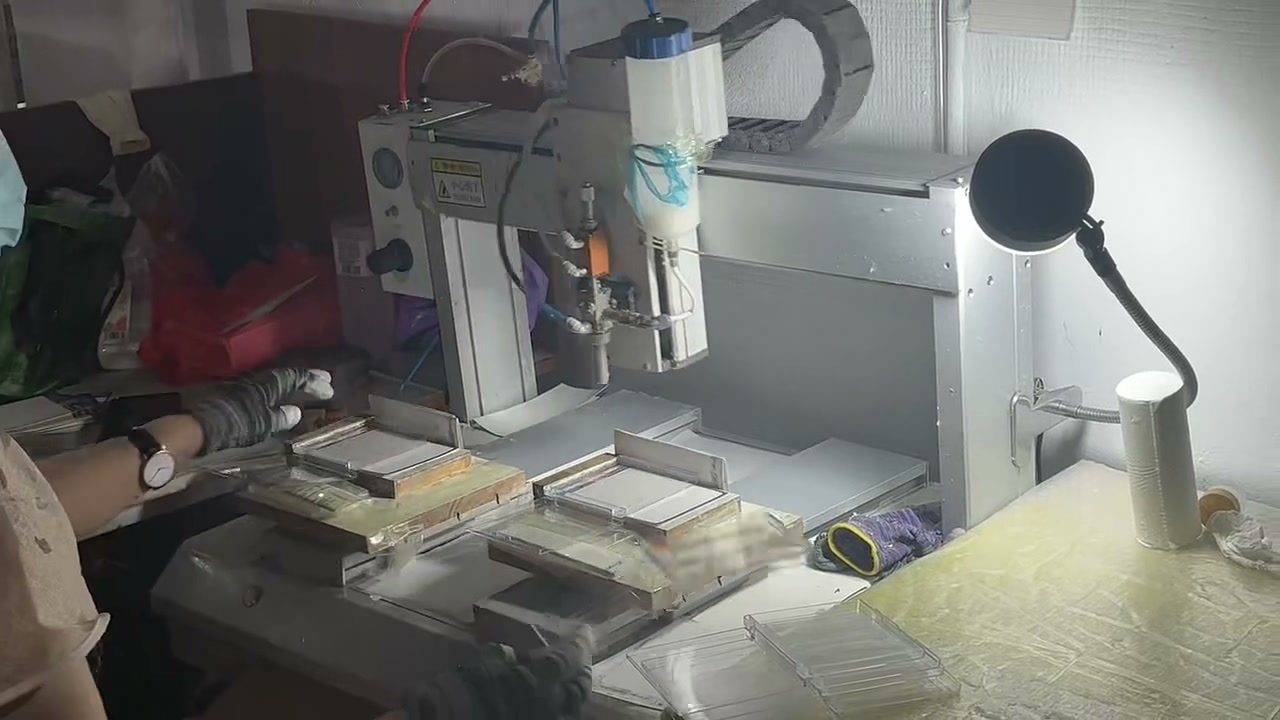
The new production source may use different fibers, forming conditions, assembly methods, trays, components or equipment. Compare the target against the proposed route field by field and classify each item as match, controlled adjustment, manufacturer proposal or buyer decision. A visible gap should become a sample question, not an unrecorded substitution.
- Material and fiber availability
- Construction and process compatibility
- Tray, packaging and component availability
- Product-specific inspection capability
- Match, adjust, propose and approve status
Build a controlled comparison sample
Use one reference condition and change only the variables required by the new route. Review appearance, hand feel, pickup, placement, flexibility, return, tray release, packaging fit and labeling where they apply. Record every approved difference so the transferred version is judged against an explicit decision rather than memory or a style name.
- Original approved reference
- New-source comparison sample
- Same review method and intended use
- Pass, revise and reject criteria
- Approved differences and open actions
Transfer packaging and market files separately
A correct lash can still fail if the new tray, box, insert, instructions, barcode or export pack-out changes without approval. Reconfirm product-to-tray fit, component count, artwork ownership, print files, labels and destination requirements. Regulatory, customs and safety responsibilities remain product- and market-specific and should be verified with official authorities and qualified professionals.
- Tray and product fit
- Box, insert, label and instruction files
- Barcode and product-code continuity
- Branded component inventory and ownership
- Destination documentation and review owner
Qualify production before relying on the new source
Sample approval confirms a direction; it does not prove repeat production by itself. Establish the applicable production reference, inspection points, packaging checks, shipment evidence and deviation route for the new source. The brand should decide what evidence is required before the transferred version becomes a commercial replenishment or contingency supply.
- Approved production reference
- Product-specific QC checkpoints
- Pre-shipment and pack-out evidence
- Deviation, rework and approval responsibility
- Commercial release decision
Protect continuity during the transition
Plan how current inventory, old and new packaging components, customer-facing product codes and future reorders will be controlled during the change. When two sources remain active, each source needs its own approved sample and production record against the same brand-defined baseline. Dual sourcing reduces dependence only when differences, ownership and change notifications remain visible.
- Current inventory and transition boundary
- Old and new component segregation
- Customer-facing version decision
- Source-specific approved records
- Ongoing change notification and review
Buyer questions
Can a new lash manufacturer reproduce an existing product exactly?
A current product can be used as an authorized benchmark, but exact equivalence cannot be assumed. Materials, equipment, construction and process conditions may differ, so the new version must be compared, sampled and approved against a controlled reference.
What if the brand does not have a complete lash specification?
Begin with the best authorized physical sample, current packaging and available records. Translate visible and handling attributes into a draft specification, mark unknown fields and use controlled comparison samples to resolve them before production approval.
Can a beauty brand use two eyelash manufacturers for the same product?
Potentially, if each source is qualified against the brand-defined baseline and retains its own approved sample, specification, packaging version, QC points and change record. The brand must also confirm the applicable commercial, confidentiality and ownership terms.
Does transferring production require sharing the previous factory's confidential process?
No. The transfer should use information and assets the brand is authorized to share. The new manufacturer develops and qualifies its own feasible production route against the approved product requirements and lawful reference.
Related UNIBEAUTY capability pages
These official pages document the wider product-development, manufacturing and packaging model behind this guide.