Start with the customer and channel
A beginner-facing online kit, a beauty-supply refill tray and a premium creator launch need different assortment depth, packaging and instructions. Define where the product will be sold, the expected retail price and the buyer's application experience before choosing styles.
- Target market and channel
- Retail price position
- Beginner or experienced user
- Hero product versus refill program
Build a density ladder, not a random catalog
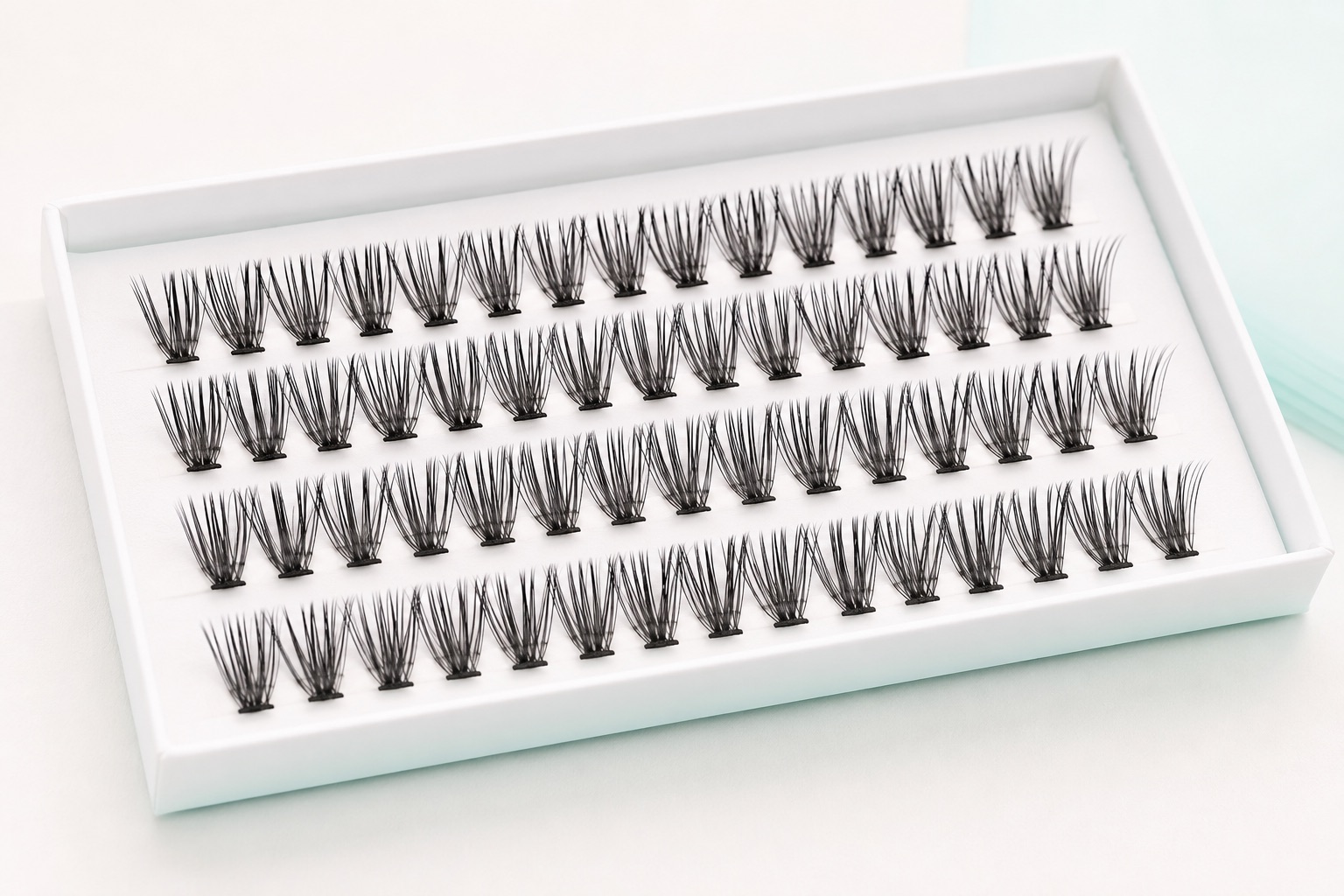
A useful first line often needs a light, medium and full direction rather than six nearly identical trays. Density labels must match the visible structure and should be compared on real samples.
- Light everyday definition
- Balanced wispy volume
- Full or graphic impact
- One mixed-length map for easy selection
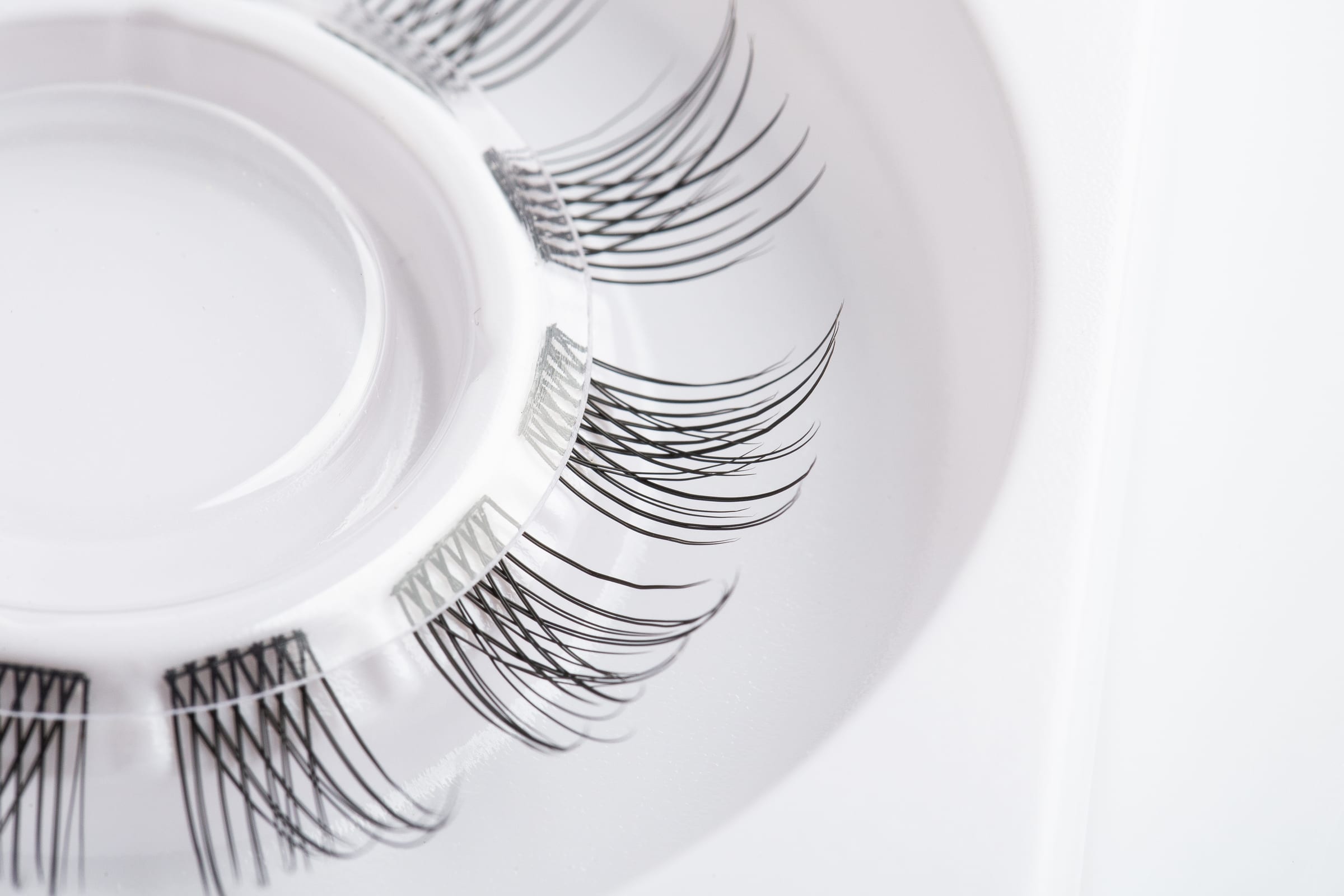
Treat the band as a product decision
Band visibility, flexibility, pickup and placement influence the finished look as much as fiber density. Clear, black and pre-glued formats should not share generic wear claims or instructions.
- Visible band thickness
- Flexibility and return
- Pickup from the tray
- Application and removal behavior
Complete the system before packaging approval
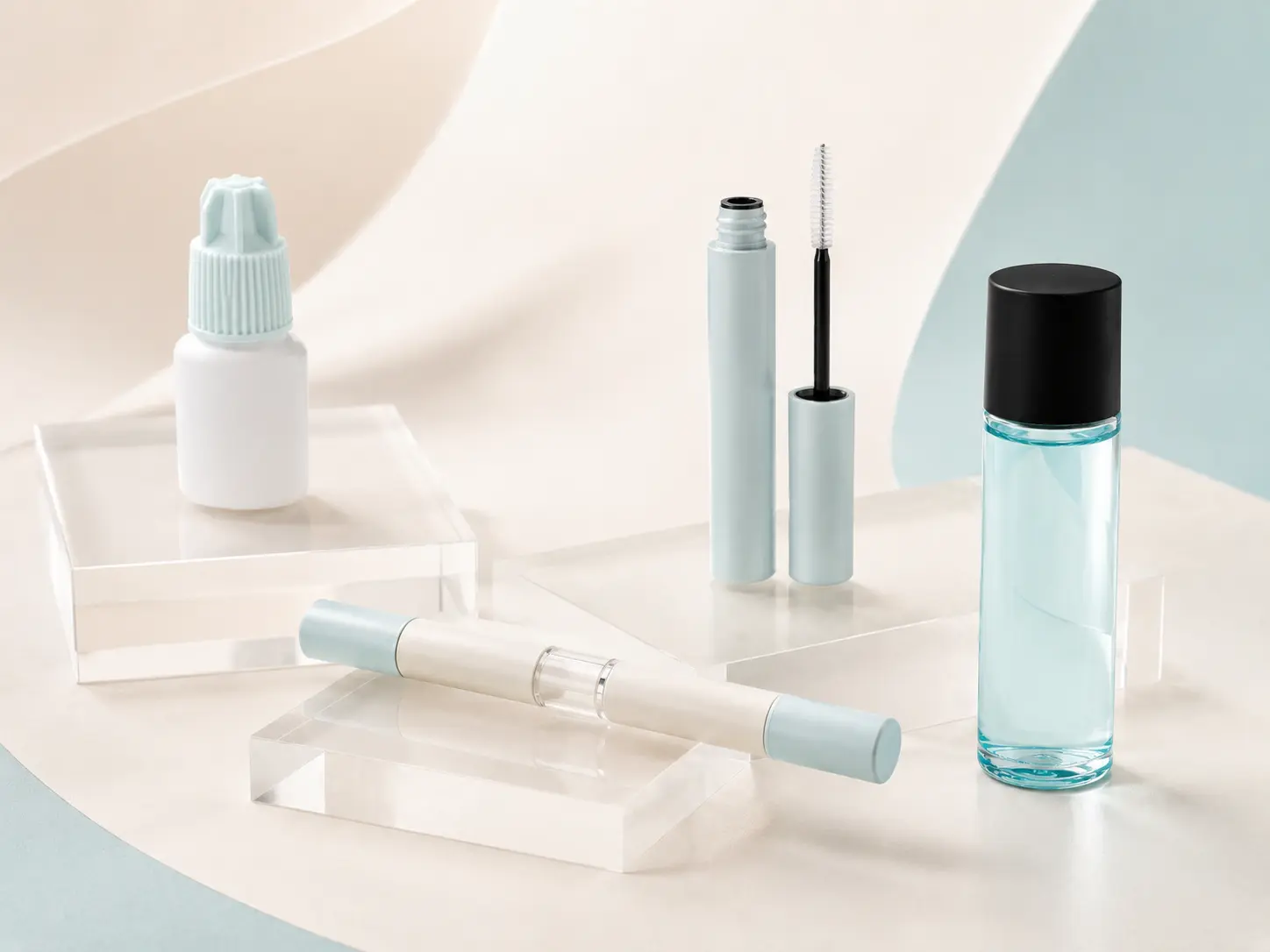
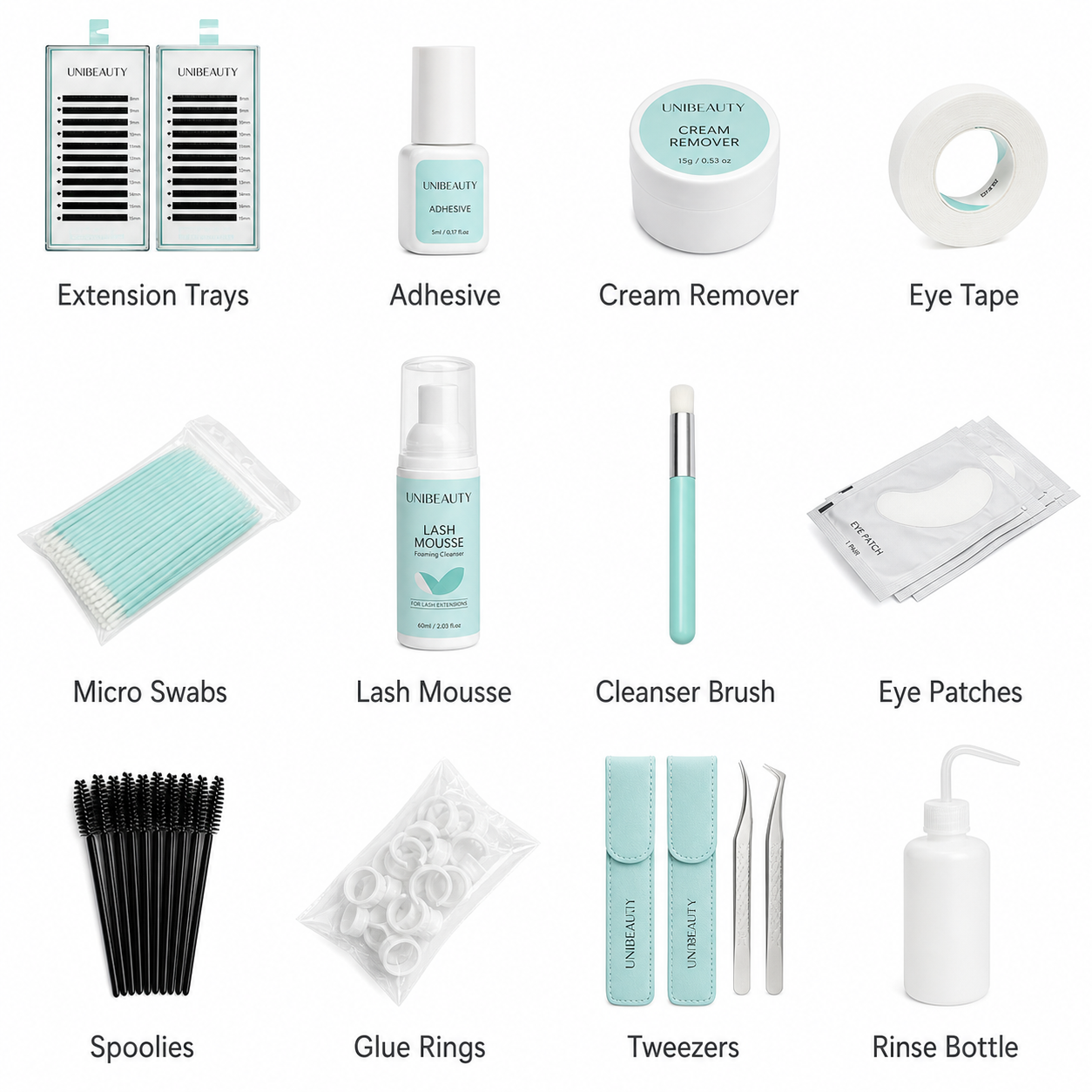
If the range includes bond & seal, remover or an applicator, verify those components together. The tray, box and instructions must show the actual contents and the correct application sequence.
- Lashes and length map
- Bond & seal format
- Remover
- Applicator
- Tray, box and instructions
Buyer questions
How do I choose the best lash clusters supplier for my launch?
Choose by fit with your target customer, sales channel and kit or refill program—not by a best-supplier label. Compare actual cluster samples for texture, length map, band construction and pickup, then review the application components, tray, packaging and instructions together. Ask how the approved product and packaging versions are retained for QC, production and repeat orders. The useful shortlist is the one supported by your product brief and current sample evidence.
Can I mix lash cluster styles within the starting MOQ?
Yes. The starting lash MOQ is 500 boxes total across mixed styles—not 500 boxes per style. Record the quantity allocated to each selected style in the quotation and approve the tray and pack configuration. This combined lash-order basis does not set a universal MOQ for bespoke tooling, materials or packaging components; those requirements are confirmed separately for the project.
Can I bring a reference image for custom cluster lashes and packaging?
Yes. Bring product photographs, physical references, sketches, dimensions or artwork and explain the attributes you want to develop. The brief can cover the cluster structure, material direction, lash map, outer packaging and complete-kit components. Reference rights, manufacturing feasibility and any mold or tooling requirements are reviewed before sampling. Approve the physical product, packaging and kit configuration together; a reference image is not a promise of an exact copy or automatic production feasibility.
Are cat-eye and wispy lash clusters the same?
No. Cat-eye describes a directional lash map; wispy describes texture and alternating fiber lengths. A selected DIY cluster program can combine them, but a wispy segment alone does not establish a cat-eye result. Specify the segment sequence, length progression, band and tray, then approve the complete map by sample. DIY cat-eye clusters use separate segments; cat-eye strip lashes and half lashes use fixed-band formats and remain different procurement routes.
Related UNIBEAUTY capability pages
These official pages document the wider product-development, manufacturing and packaging model behind this guide.