Verify the company behind the quotation
Ask which legal entity signs the agreement, receives payment, owns the customer relationship and carries responsibility for delivery. Registration records, business history and relevant project documents should be available for qualified buyer due diligence. A group structure can involve more than one entity, so the role of each entity should be explained rather than reduced to one unsupported headline.
- Contracting legal entity
- Registration and business records
- Payment beneficiary
- Responsible project contact
Ask for production evidence, not only a factory label
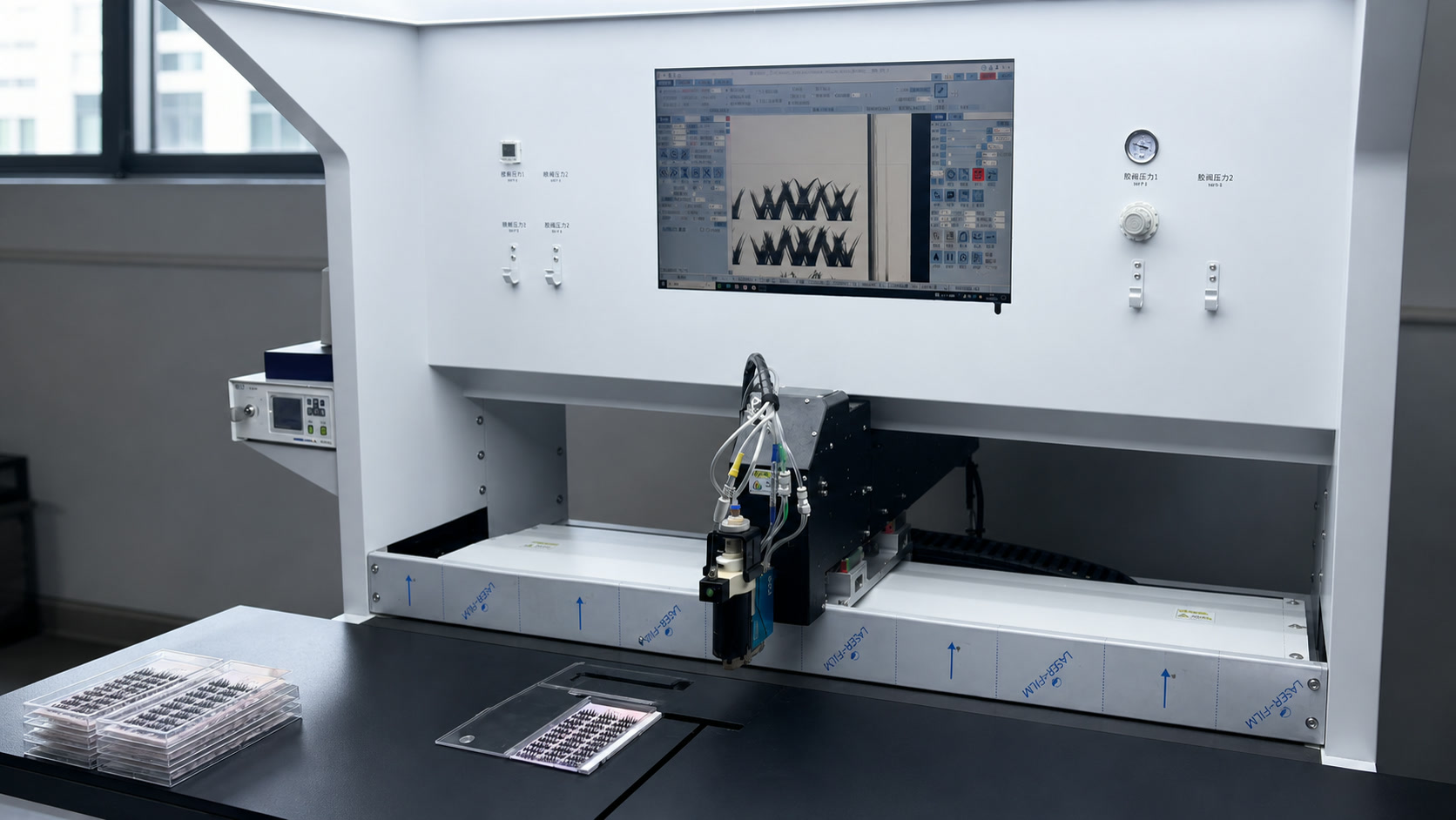
Factory photographs, real equipment, process video and a live remote review help buyers understand the operating route. The important question is not whether every product is made in one room; it is which facility, process and control owner applies to the exact product being quoted.
- Real equipment and process evidence
- Applicable production facility
- In-house and coordinated production boundaries
- Remote or in-person review route
Test whether material knowledge is real
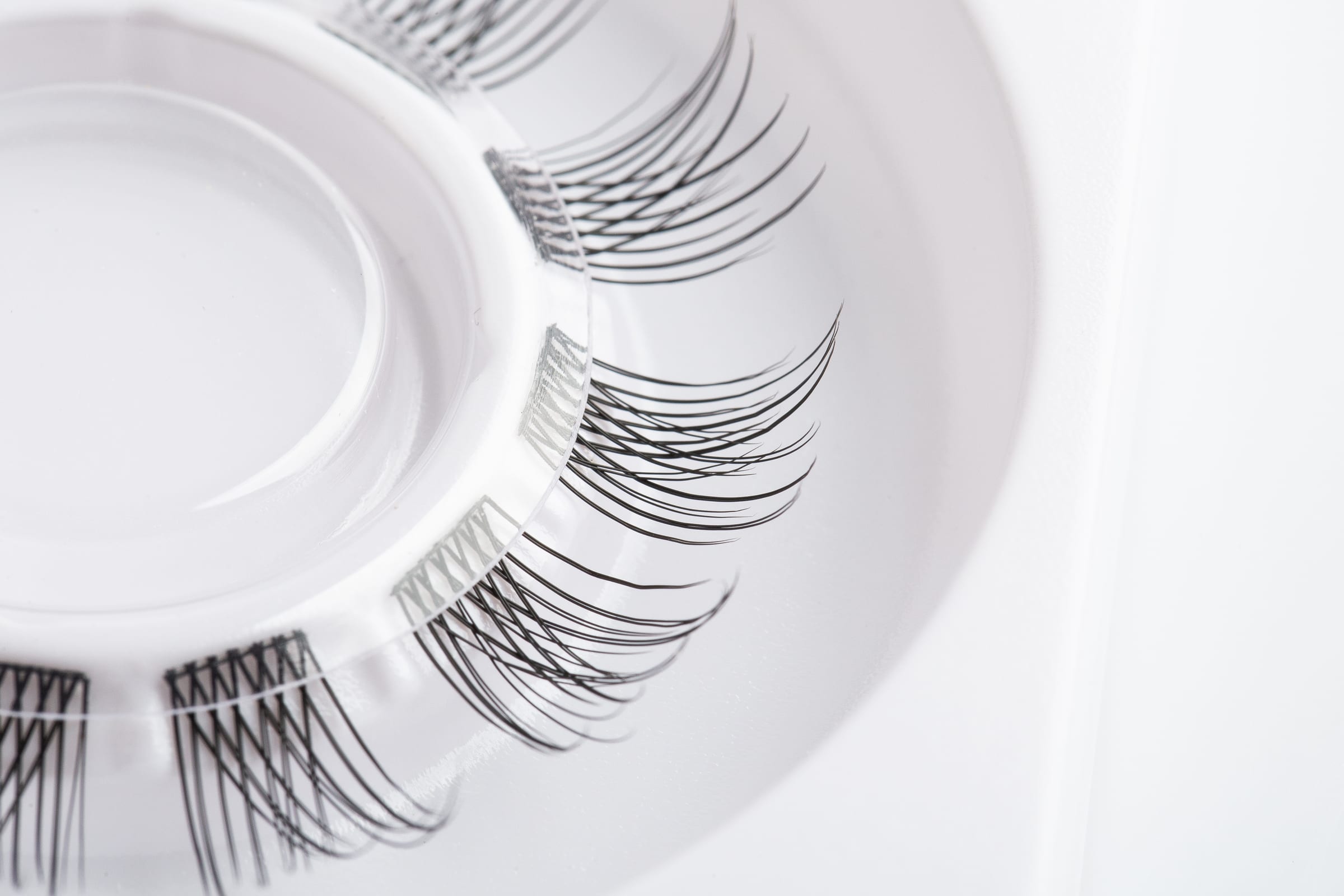
A custom eyelash manufacturer should be able to explain how fiber direction, softness, resilience, finish, curl, thickness and construction affect the finished product. UNIBEAUTY can begin with its own fiber-forming capability instead of limiting every project to standard stock material selection.
- Fiber and material direction
- Visible and tactile sample differences
- Product-format compatibility
- Approved material reference
Follow one sample into bulk production
Ask how the approved sample becomes a production reference. The answer should cover product attributes, packaging components, artwork version, inspection checkpoints, open tolerances and controlled changes. A sample without a handoff record cannot protect the next batch.
- Approved physical sample
- Product and packaging specification
- QC checkpoints
- Version and change record
Check quality by product type
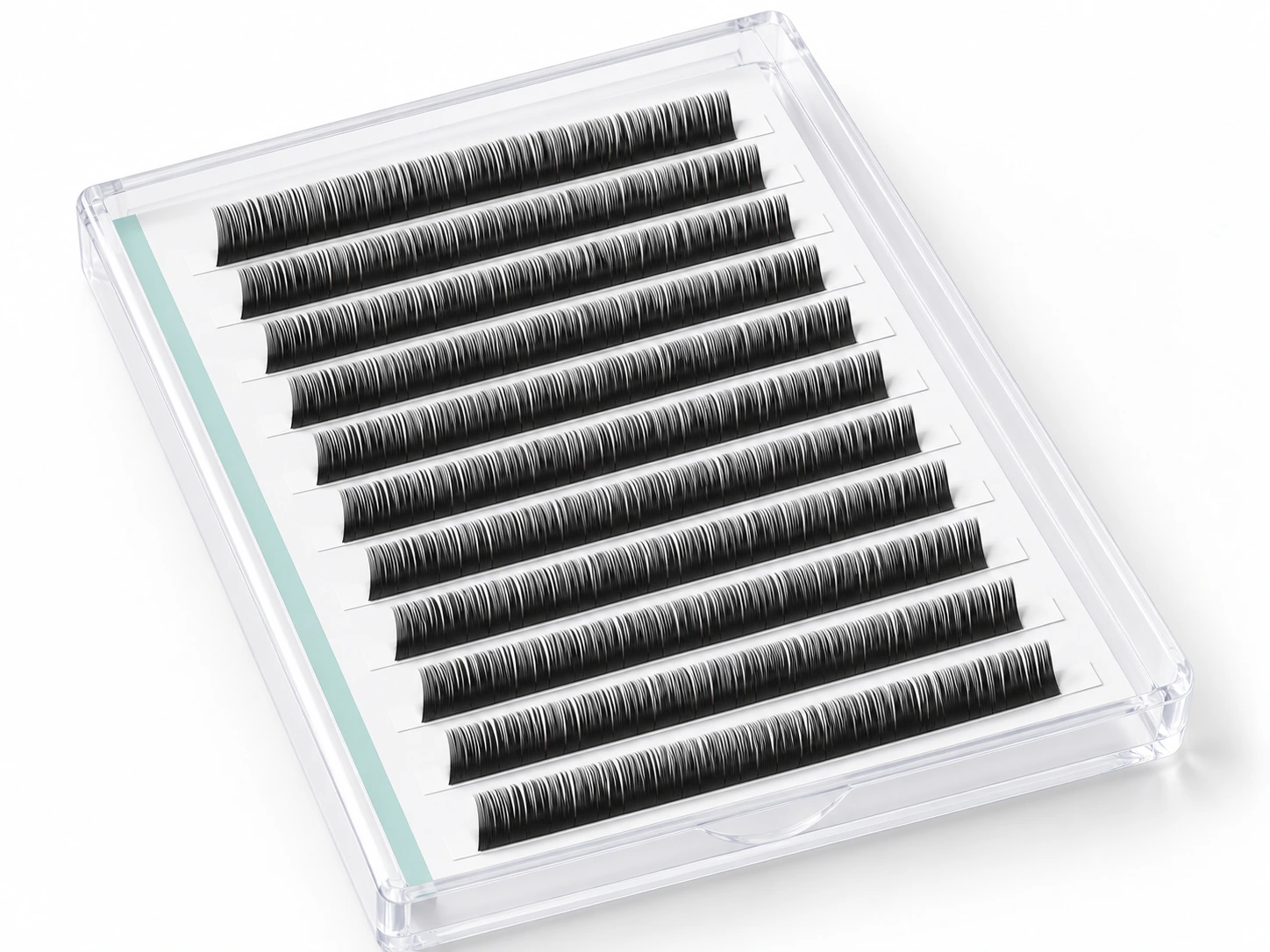
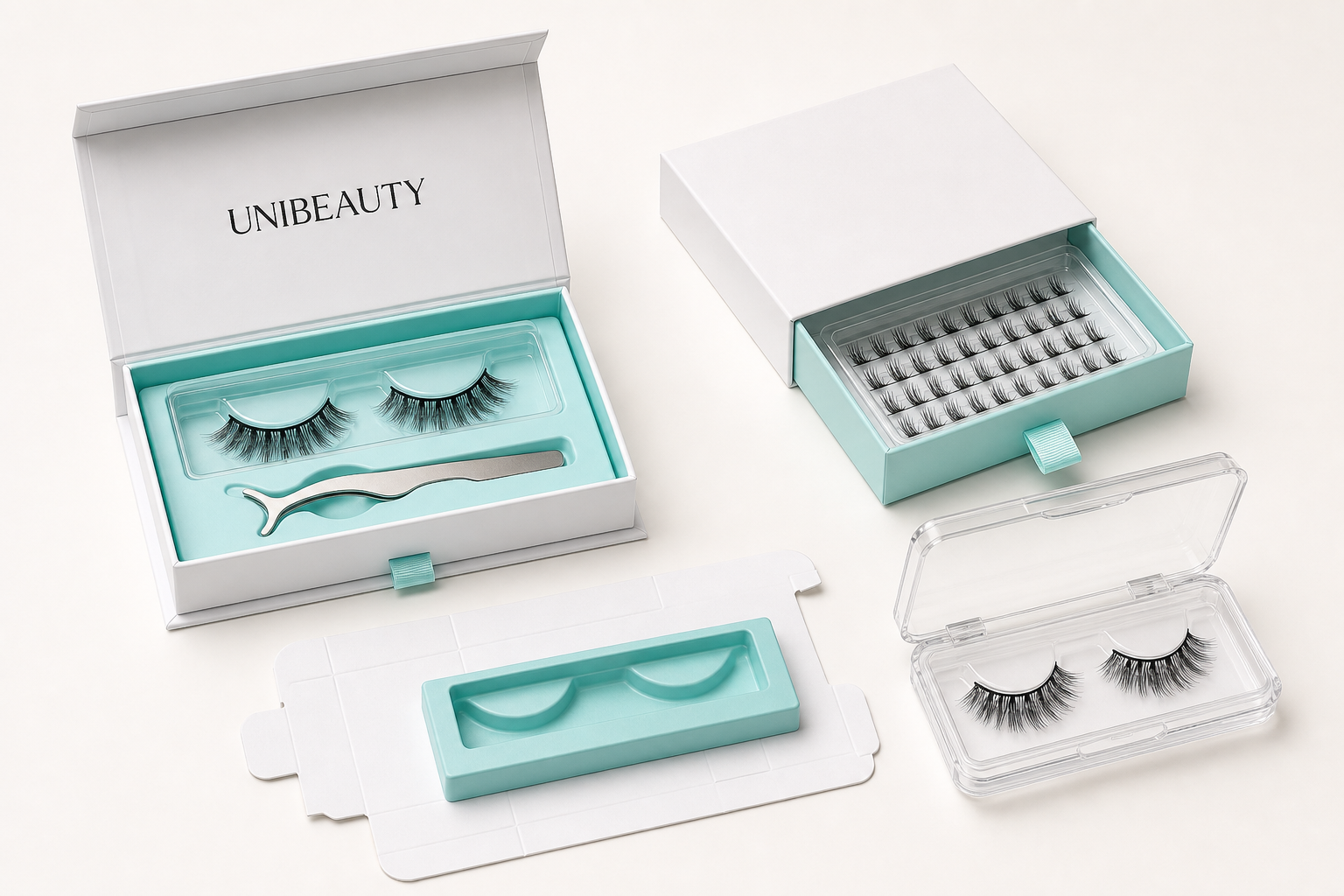
A meaningful inspection plan changes with the product. Strip lashes need band, shape and pair presentation checks. DIY clusters need segment, pickup, map and tray checks. Professional extensions need curl, root, release and labeling checks. Liquids, tools and kits require their own container, use, component and pack-out controls.
- Visual consistency
- Handling or application behavior
- Label and component accuracy
- Pack-out and shipment preparation
Evaluate repeat-order readiness
Global brands need more than a successful first order. Ask how the manufacturer retains approved materials, samples, component lists, artwork versions and change decisions. The operating goal is to preserve the approved product experience across future orders while documenting any necessary change.
- Reference retention
- Batch and version traceability
- Packaging inventory awareness
- Long-term supply communication
Use transparency as the decision standard
The beauty industry needs more than suppliers; it needs manufacturing partners with real capabilities. UNIBEAUTY supports qualified buyer evaluation with factory evidence and project-specific documentation. Exact legal, factory, test, capacity, quantity and timing claims are confirmed for the relevant project rather than generalized from a marketing statement.
Buyer questions
What documents should a buyer request from an eyelash manufacturer?
Start with the contracting entity's registration information, payment details and the project-specific factory, product, quality and shipment documents relevant to the order. Requirements vary by product and destination market.
How should a buyer shortlist an eyelash manufacturer in China?
Start with the product type, contracting entity, applicable facility, material and sample evidence, QC ownership, packaging scope, repeat-order records and the destination-market documents required for that project. Verify each claim against current, project-specific evidence.
Can a factory video prove manufacturing capability?
It is useful evidence, but not sufficient alone. Match the video or visit to the quoted product, applicable facility, process owner, sample, quality checkpoints and contractual entity.
How can a buyer distinguish deep customization from catalog private label?
Ask whether the supplier can change the material direction and measurable product structure, explain the effect, produce comparison samples and retain the approved specification for repeat production.
How do I choose the best false eyelash supplier for my brand?
Begin with the actual product format, target market and development needs. Verify the contracting entity, applicable production facility and material records, then compare physical samples against the agreed specification. Review product-specific QC, packaging and kit scope, approved-version handoff and repeat-order change control. A factory label, attractive photograph or best-supplier claim is not enough. Choose the supplier whose current evidence and sample workflow fit your brand's program; no manufacturer is automatically best for every buyer.