Separate sample approval from production release
A development sample can approve appearance, handling, application behavior or packaging fit. Bulk release is a wider decision: it confirms which approved version the factory will produce, which components are ready, how the product will be checked and who can accept a deviation or authorize shipment. Write these as separate approvals so a good sample is not mistaken for an open-ended production instruction.
- Product sample approval
- Bulk-order packaging and artwork approval
- Production-version release
- Inspection and deviation route
- Shipment release responsibility
Freeze one production version
Identify the exact physical sample, product code, written specification, controlled images, packaging component list, artwork files and approved differences that belong together. Record the applicable factory or production route and approval date. A style name, email thread or isolated photograph is not enough to tell production and QC teams which complete commercial version is current.
- Approved physical reference
- Product code and specification version
- Controlled images and approved differences
- Packaging and artwork version
- Production route and approval record
Close material and construction decisions
Confirm the material or fiber direction, curl, thickness, density, map, root or band, tray configuration and use behavior that define the approved result. Mark any field that remains a controlled manufacturing choice and require proposed substitutions or process changes to be disclosed before they enter the run. Project-specific measurements and tolerances are agreed only where they are meaningful for the product format.
- Material and fiber direction
- Format-specific construction
- Pickup, release or application behavior
- Open tolerances and decision owners
- Substitution and change-notification rule
Approve packaging as a production system
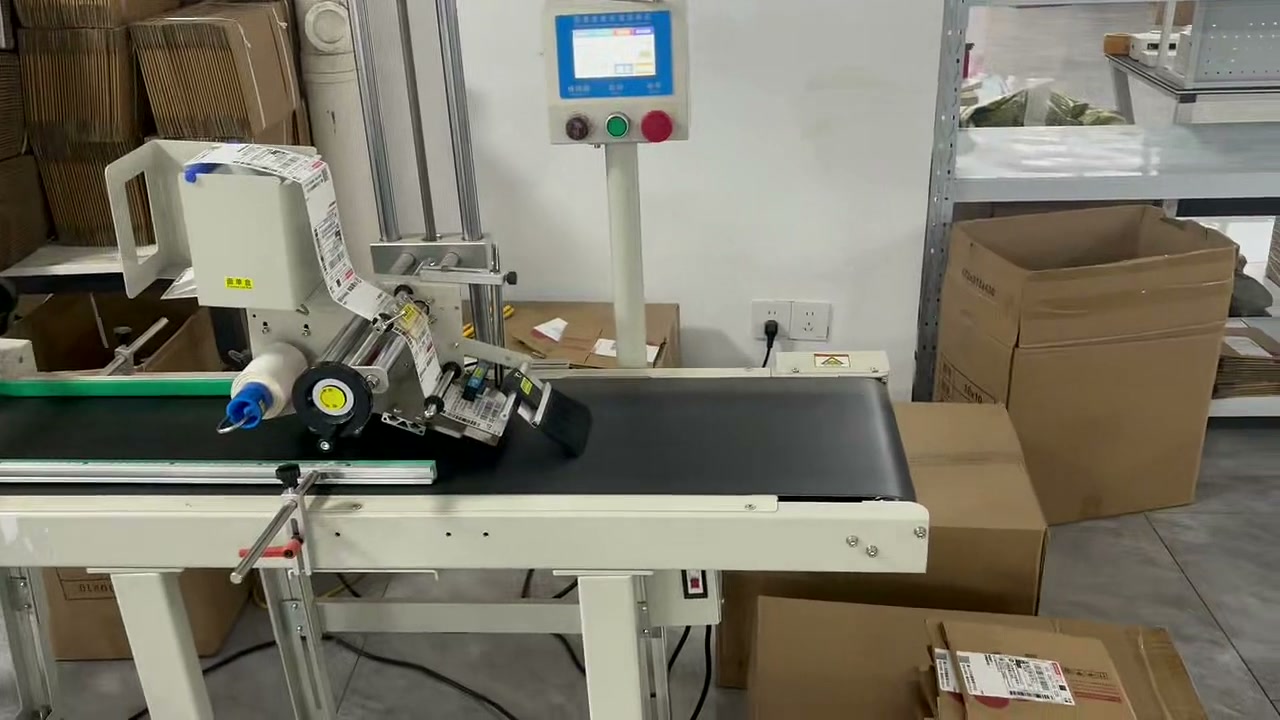
After the product sample is confirmed, develop and approve the packaging layout for the bulk order. Product approval and print approval should meet before bulk production. Check the tray or card, box, insert, instructions, label, barcode, product code, component count and export pack-out against the same SKU version. Confirm remaining printed inventory and any buyer-supplied component so an obsolete file or mismatched tray cannot re-enter the order unnoticed.
- Product-to-tray fit
- Final print and artwork proof
- Label, barcode and product-code match
- Kit and pack-out component count
- Old, new and buyer-supplied component control
Define product-specific inspection checkpoints
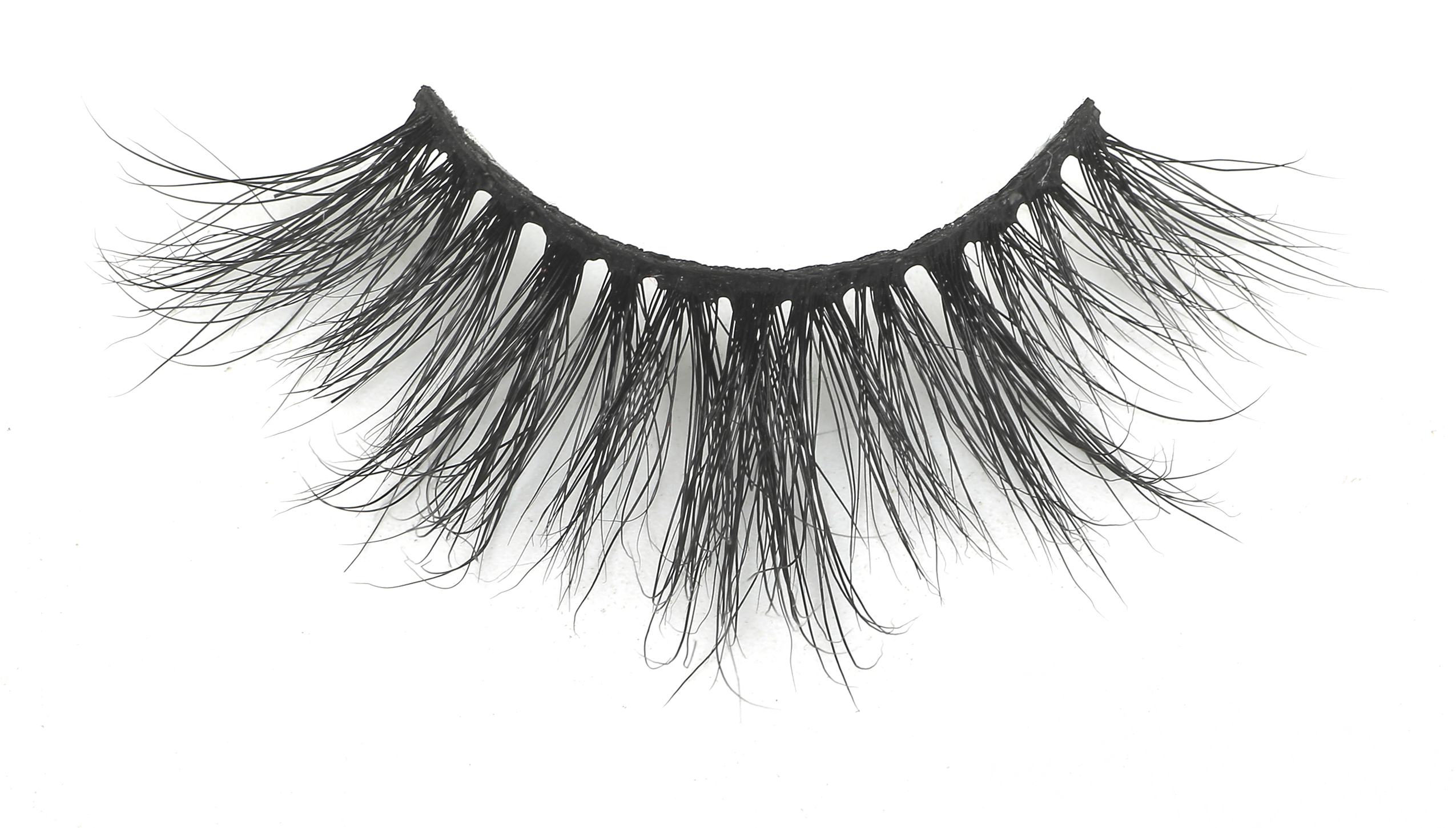
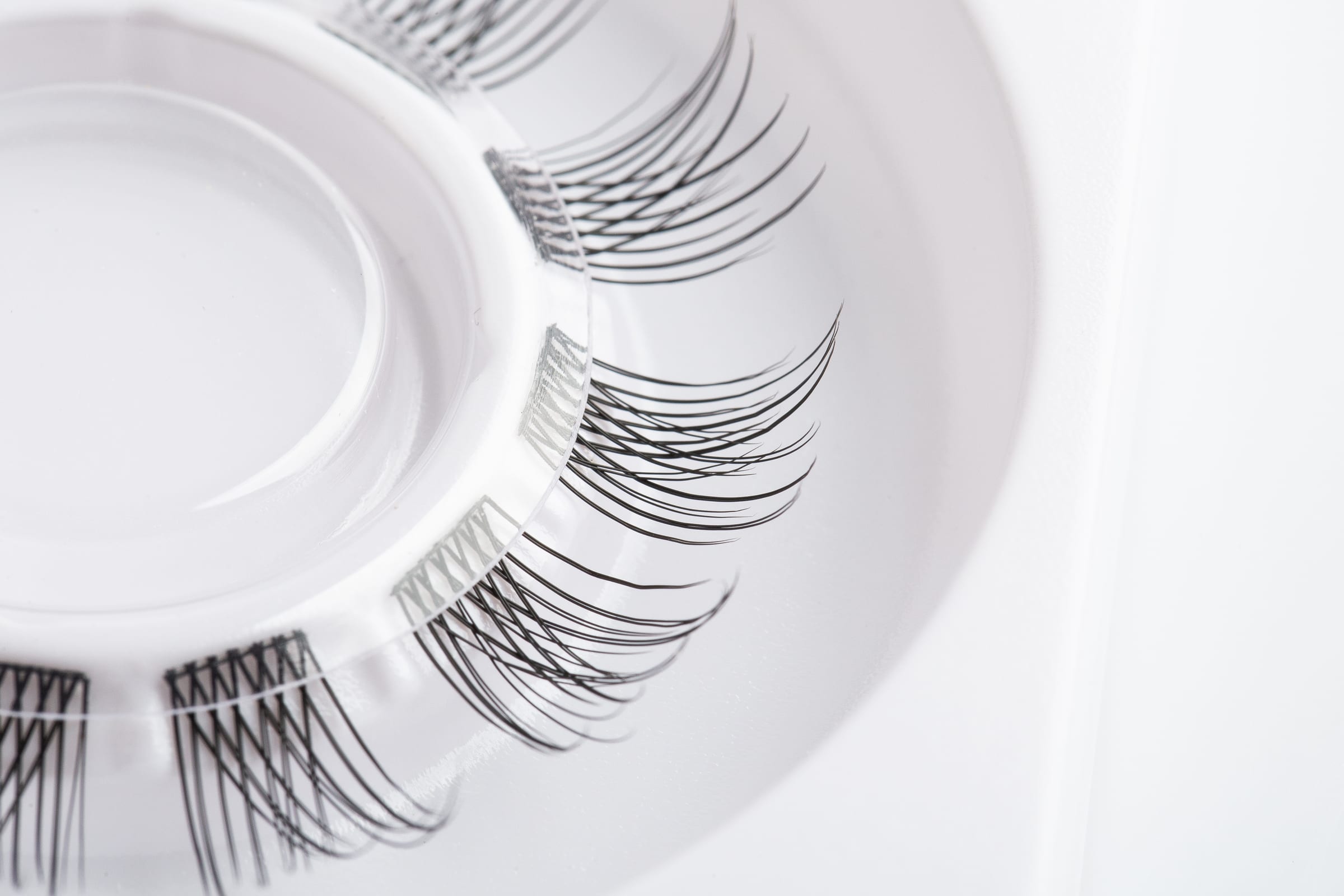
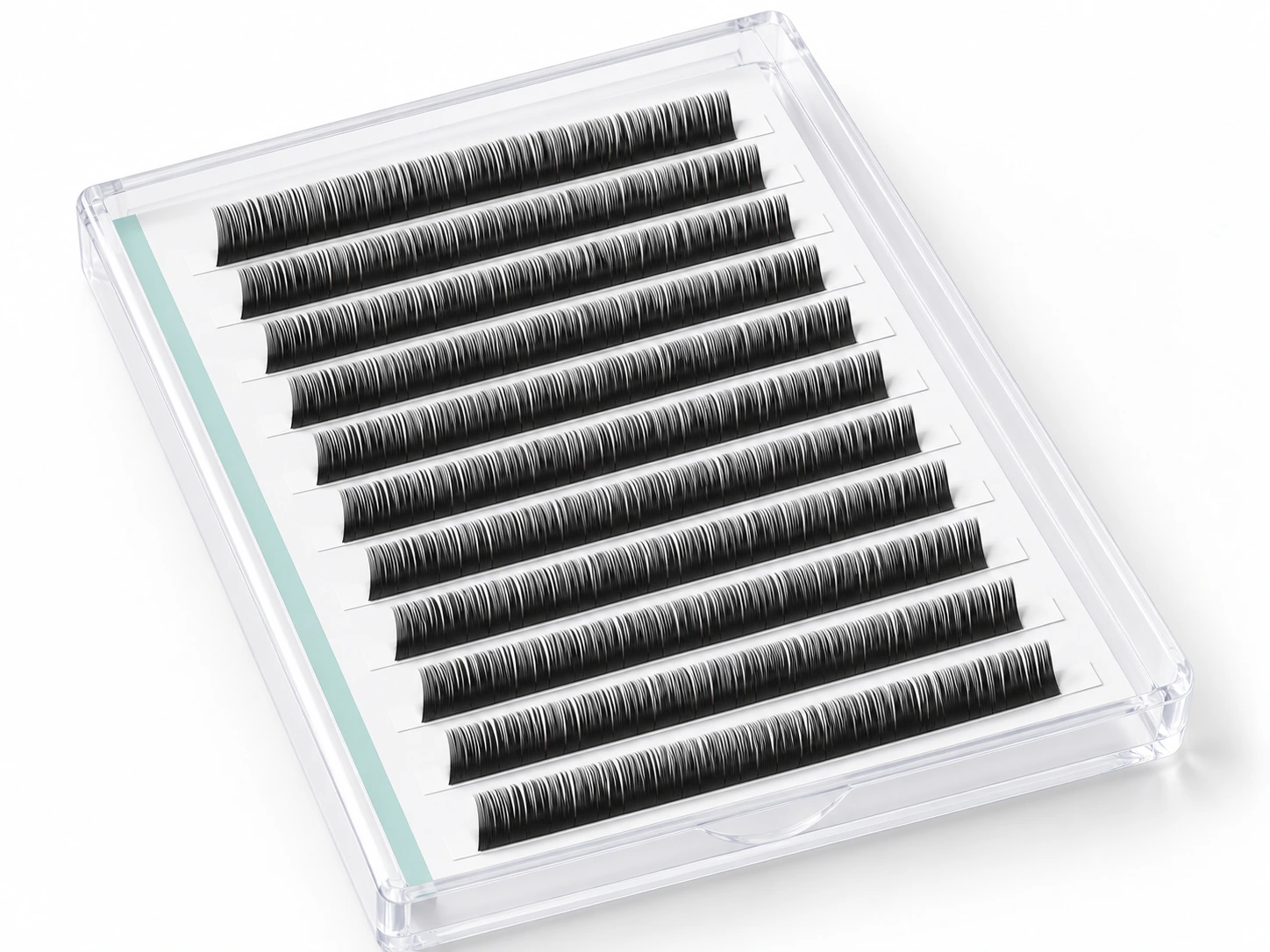
Inspection should follow the actual lash experience rather than one generic beauty checklist. Strip lashes may require shape, band and pair presentation checks; DIY clusters may require segment structure, pickup and tray-map checks; professional extensions may require curl, root, strip release and row-label checks. Decide which points are checked during setup, production, finished packing and pre-shipment review for the specific program.
- Incoming or prepared material checks
- First production or setup comparison
- In-process product checks
- Finished product and packaging checks
- Pre-shipment evidence and review
Review evidence from the actual production run
Before shipment release, compare evidence from the production run with the approved reference. The review can include retained production units, product and packaging photographs, inspection records, component counts, carton labels and any approved third-party or buyer inspection. The appropriate evidence, inspection method and sampling scope depend on the product, order and buyer risk—not on one universal website promise.
- Production-run comparison units
- Product and pack-out images
- Inspection and component records
- Carton and shipment identification
- Buyer or third-party review when agreed
Control exceptions before shipment
When a difference appears, identify the affected product, quantity or component and keep it separate from accepted scope. Record whether the action is correction, rework, replacement, acceptance as a documented deviation or rejection. Shipment should follow the agreed release owner and evidence route; silence, urgency or a visually similar substitute should not become automatic approval.
- Affected scope and containment
- Root issue and proposed action
- Rework or replacement evidence
- Documented deviation when accepted
- Final release, hold or rejection decision
Turn the accepted first batch into a reorder reference
After acceptance, retain the applicable production result beside the original development reference. Record approved differences, final product and packaging versions, inspection findings and the shipment identity that belongs to that batch. The next order can then begin from a controlled commercial record instead of reconstructing the product from memory.
- Accepted production reference
- Final product and packaging version
- Approved deviations and corrective actions
- Batch and shipment identity
- Repeat-order comparison file
Buyer questions
Does approving a lash sample guarantee that bulk production will match?
No sample can guarantee every future unit. It becomes useful for bulk production when it is connected to a controlled specification, packaging version, product-specific inspection points, change rules and an agreed release decision.
What is the difference between an approved sample and a production sample?
Terminology varies by supplier. Define the function instead: the approved development sample records the target, while any production comparison unit should come from the applicable manufacturing run and be reviewed against that target before the agreed release point.
Does a buyer need to inspect every lash unit before shipment?
There is no universal inspection scope. The buyer and manufacturer should agree the product-specific checkpoints, evidence, sampling or third-party review appropriate to the product, order and commercial risk.
What happens if bulk production differs from the approved sample?
Identify and contain the affected scope, compare it with the controlled reference, document the difference and decide whether it requires correction, rework, replacement, an expressly approved deviation or rejection before shipment release.
Related UNIBEAUTY capability pages
These official pages document the wider product-development, manufacturing and packaging model behind this guide.