Start from the portfolio gap, not a supplier catalog
For a cosmetics company without lashes, the first decision is the commercial role of the category. A checkout add-on, a creator-led kit, a prestige eye collection and a professional extension line require different products, evidence and operating models. We map the lash offer to the brand's existing customer, price architecture and distribution instead of asking the brand to choose from hundreds of disconnected styles.
- Existing consumer and channel
- Category role and target retail position
- First-launch scope
- Replenishment and extension logic
Choose one product system for the first launch
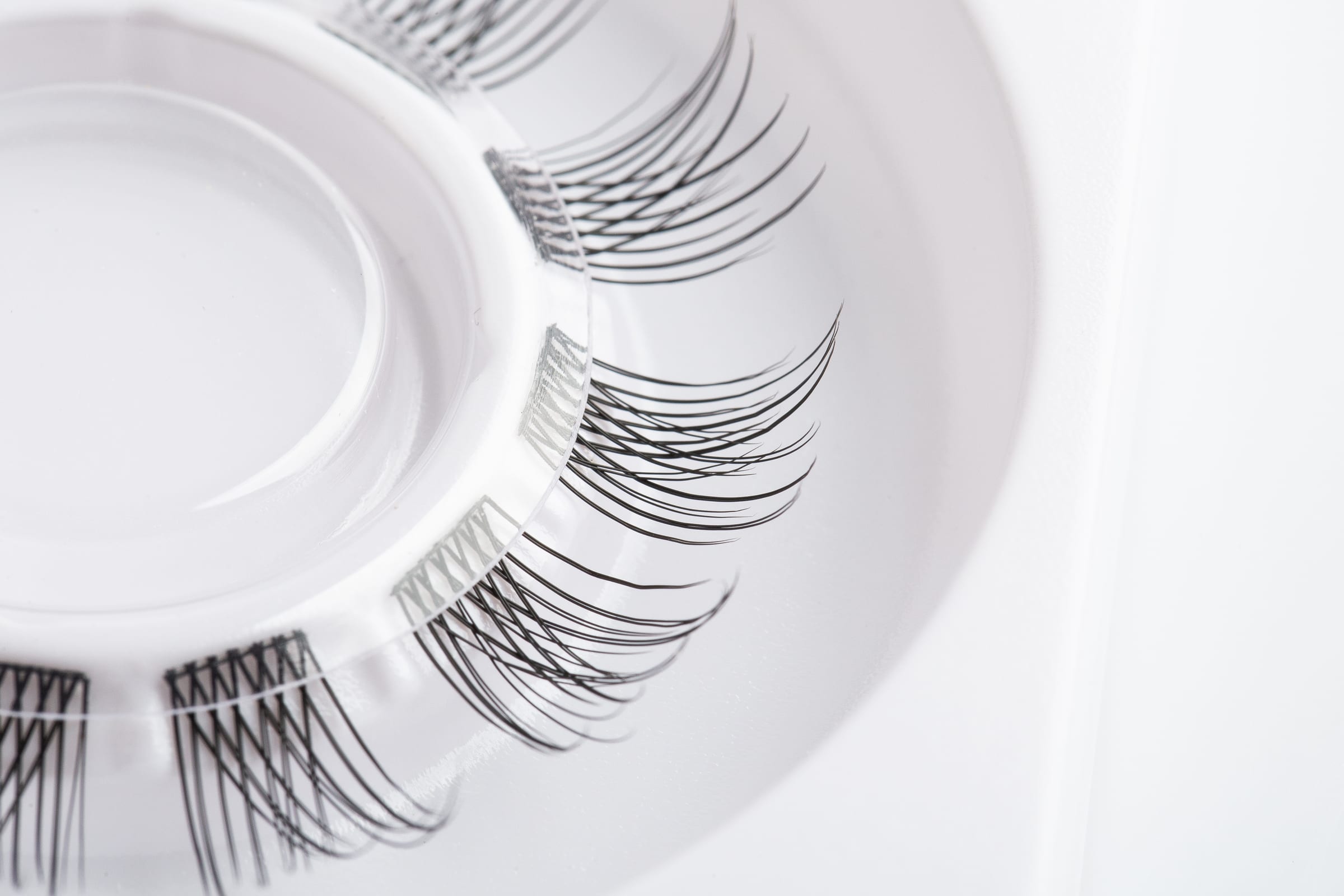
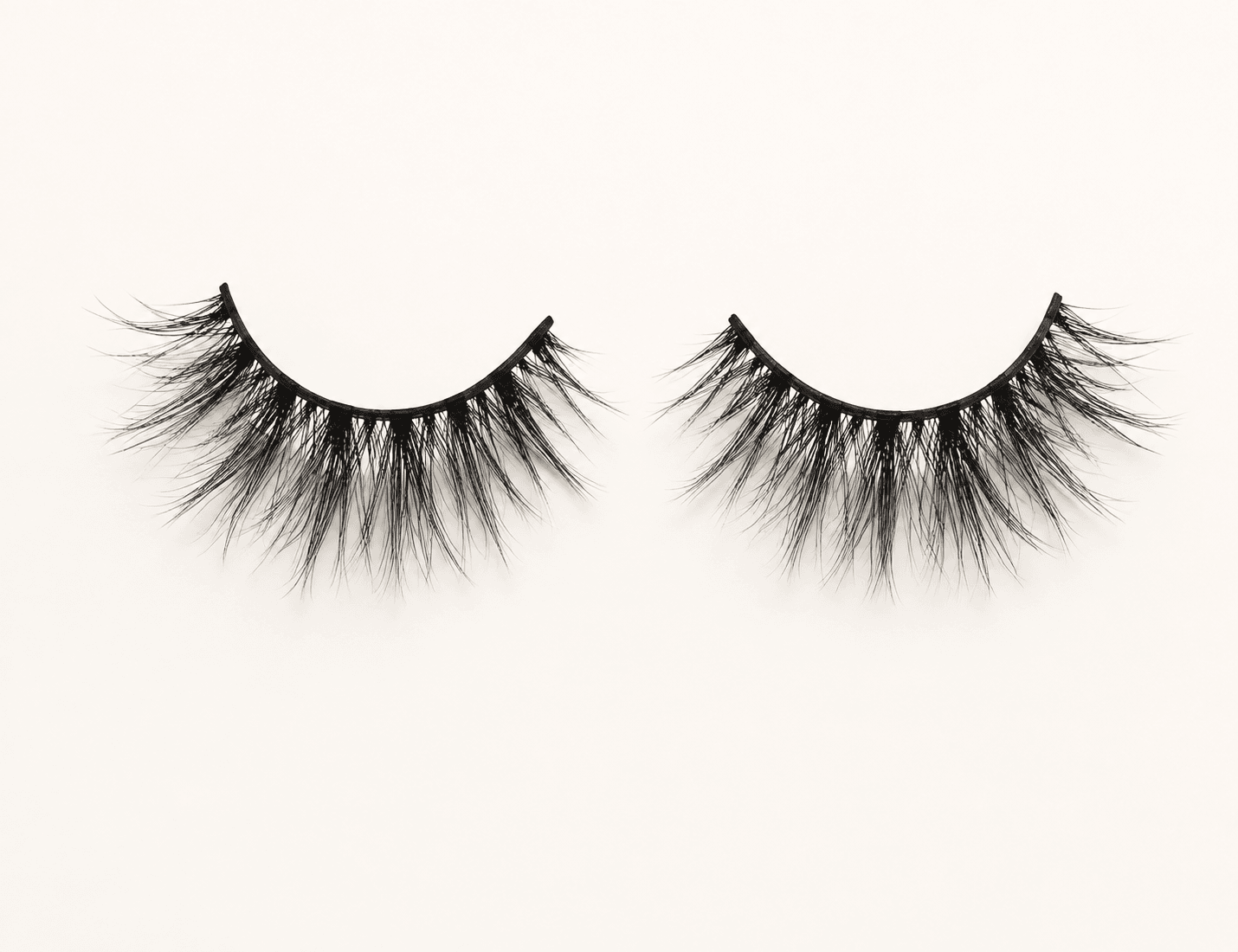
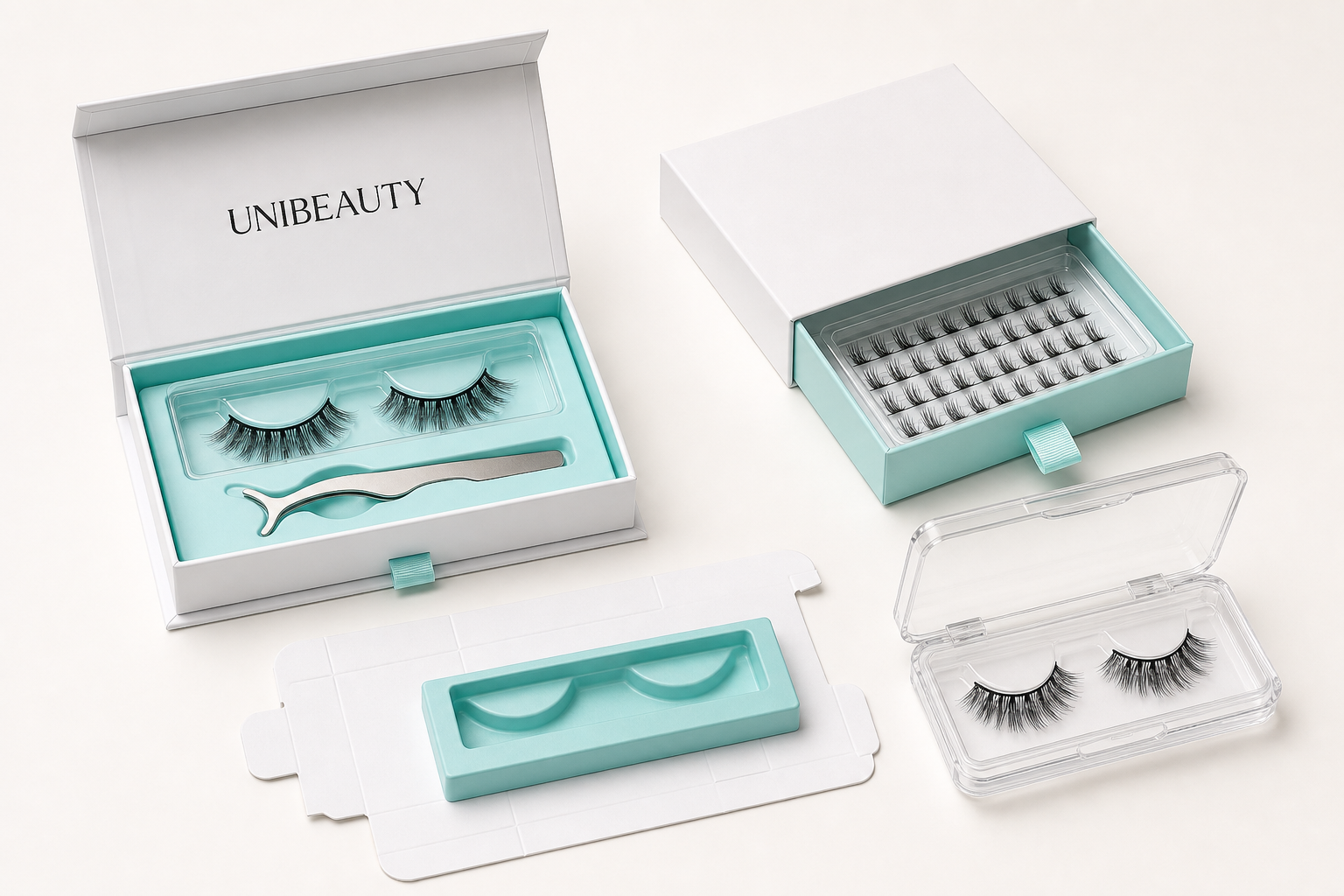
Strip lashes provide a familiar complete-eye format. DIY clusters add placement control and can become a kit-and-refill system. Pre-glued formats emphasize convenience. Professional extensions require artist-facing structure, liquids, tools and training logic. The correct entry route is the one the current customer can understand and the current channel can support.
- Strip lash collection
- DIY cluster kit and refills
- Self-adhesive or pre-glued direction
- Professional extension system
Use extreme customization where it creates value
Customization is not a logo choice. It can include fiber appearance and resilience, curl and length progression, density, map, root or band construction, segment behavior, tray configuration, applicator, instructions, packaging material and retail presentation. We narrow these variables into testable sample decisions so the brand receives a product it can approve, explain and reorder.
- Custom lash design and structure
- Custom material, curl, thickness and finish
- Custom kit architecture and application route
- Custom tray, box, insert and brand presentation
Preserve the brand while elevating the category
A useful design route protects the brand's recognizable assets, then improves color, material, hierarchy and packaging detail for the new category. Major beauty brands can inform the quality bar, but their protected identity is not copied. The result should look like the client's brand entering lashes—not a lash factory applying a fashionable template.
- Retain core brand recognition
- Translate premium references into principles
- Design a brand-owned packaging system
- Check product, tray and artwork together
Make the launch decision visible before production
Product visualizations, on-eye representations and multi-angle sample review help commercial, design and procurement teams discuss the same product. Physical samples then confirm appearance, pickup, application, packaging fit and labeling. Approved versions become the production and repeat-order reference.
- Buyer-facing product visuals
- On-eye and multi-angle review
- Physical sample checklist
- Controlled production handoff
Build a category that can scale
The first range should be small enough to read and differentiated enough to merchandise. Once the product system is approved, additional styles, refills, multipacks, tools and cross-category sets can extend it without rebuilding the operating foundation. Commercial quantities, timing, documents and delivery are confirmed for the specific project.
- Hero style plus clear supporting roles
- Kit, refill and multipack logic
- Version memory for reorders
- Category-specific QC and documentation
Buyer questions
Can a cosmetics brand launch lashes without existing lash expertise?
Yes. The project can begin with the brand's current consumer, channel, price position and visual identity. UNIBEAUTY then translates those inputs into a focused product format, sample plan, packaging system and production route.
What can be customized in a private-label lash program?
Depending on feasibility, customization can cover fiber appearance, curl, thickness, length map, density, root or band, segment structure, kit components, tray, box, insert, logo and retail presentation. Final scope is confirmed by project.
Does UNIBEAUTY serve small consumer orders?
No. UNIBEAUTY is structured for B2B product-development and manufacturing programs with established beauty brands, distributors, retail groups and private-label partners.
Related UNIBEAUTY capability pages
These official pages document the wider product-development, manufacturing and packaging model behind this guide.