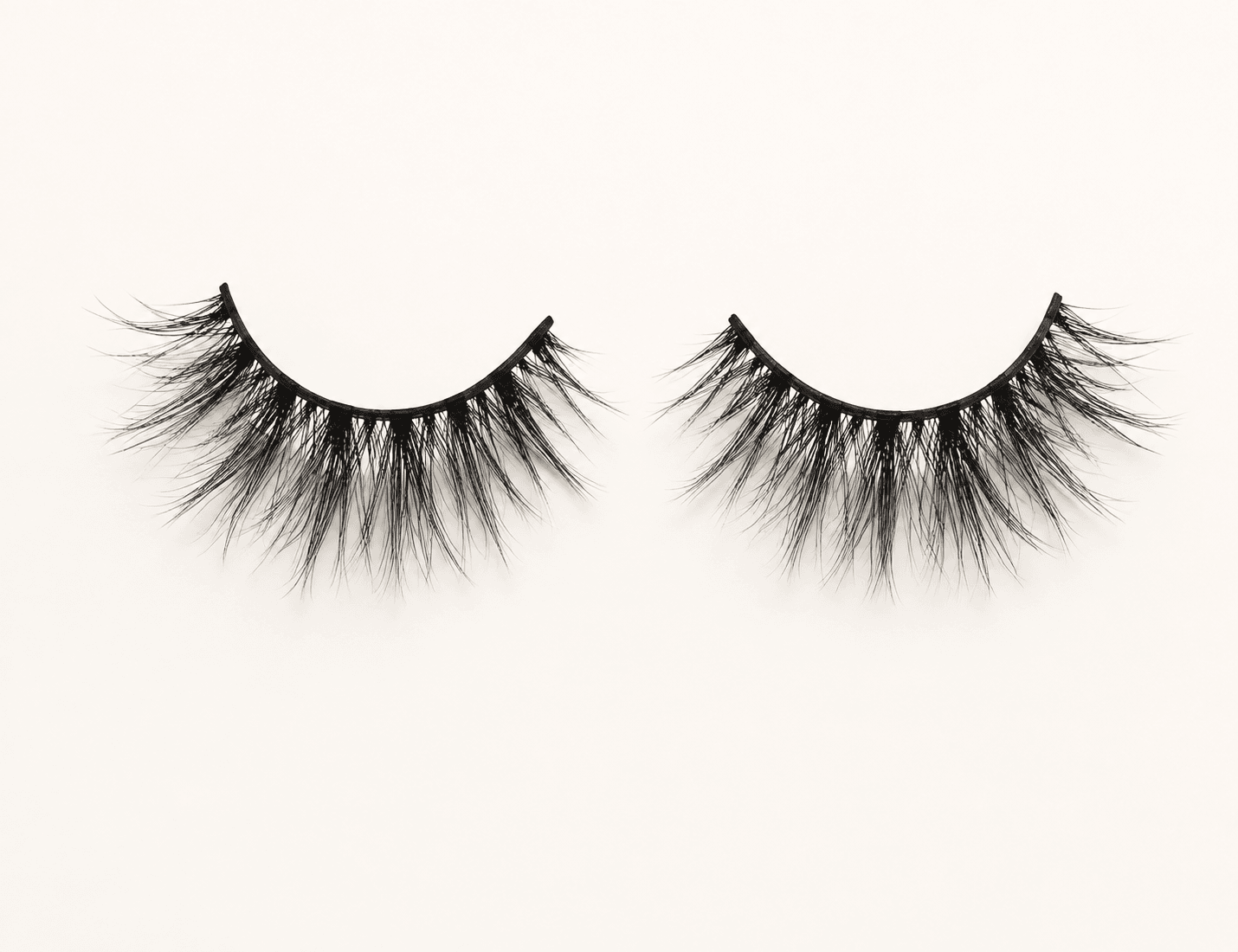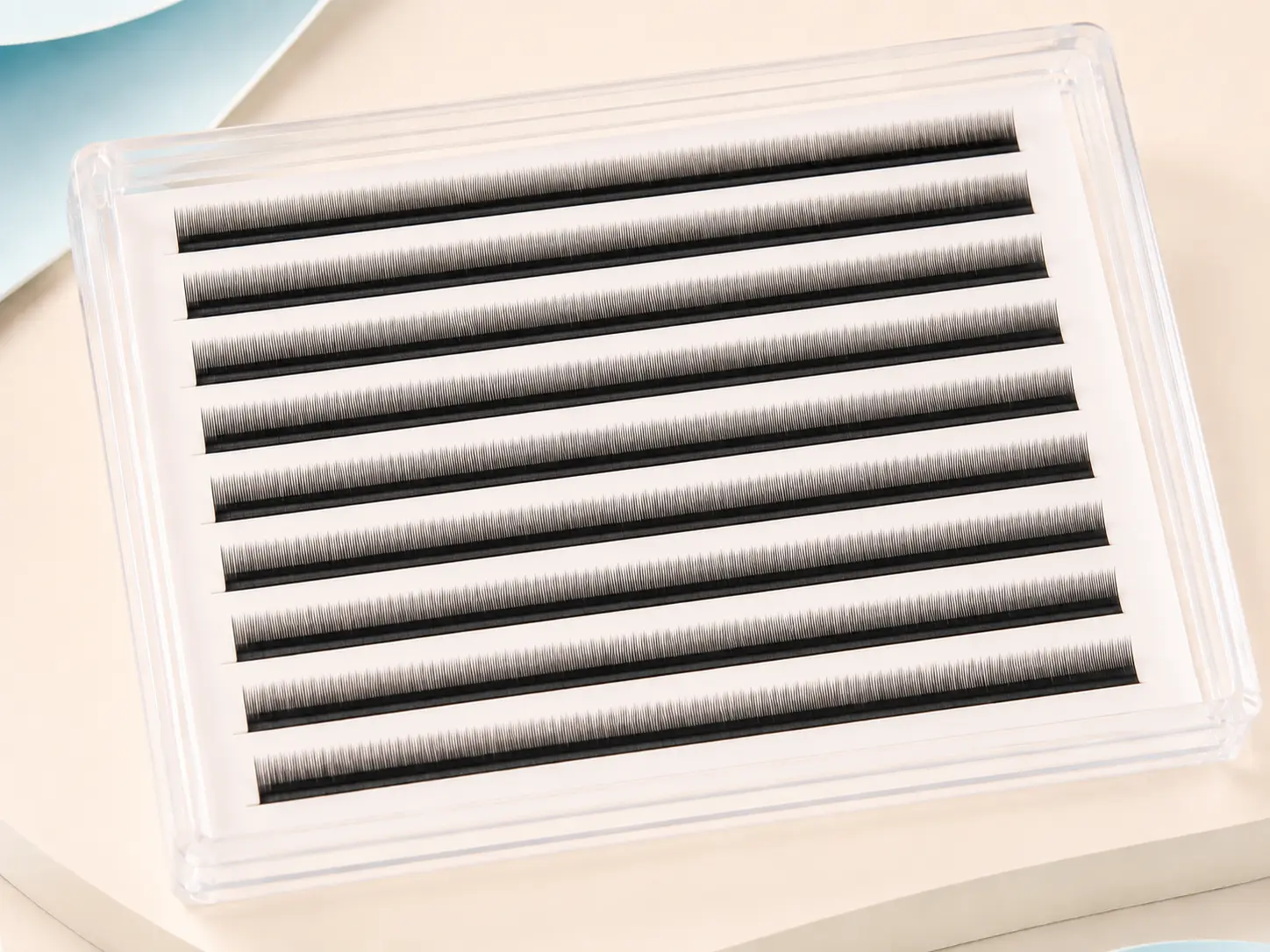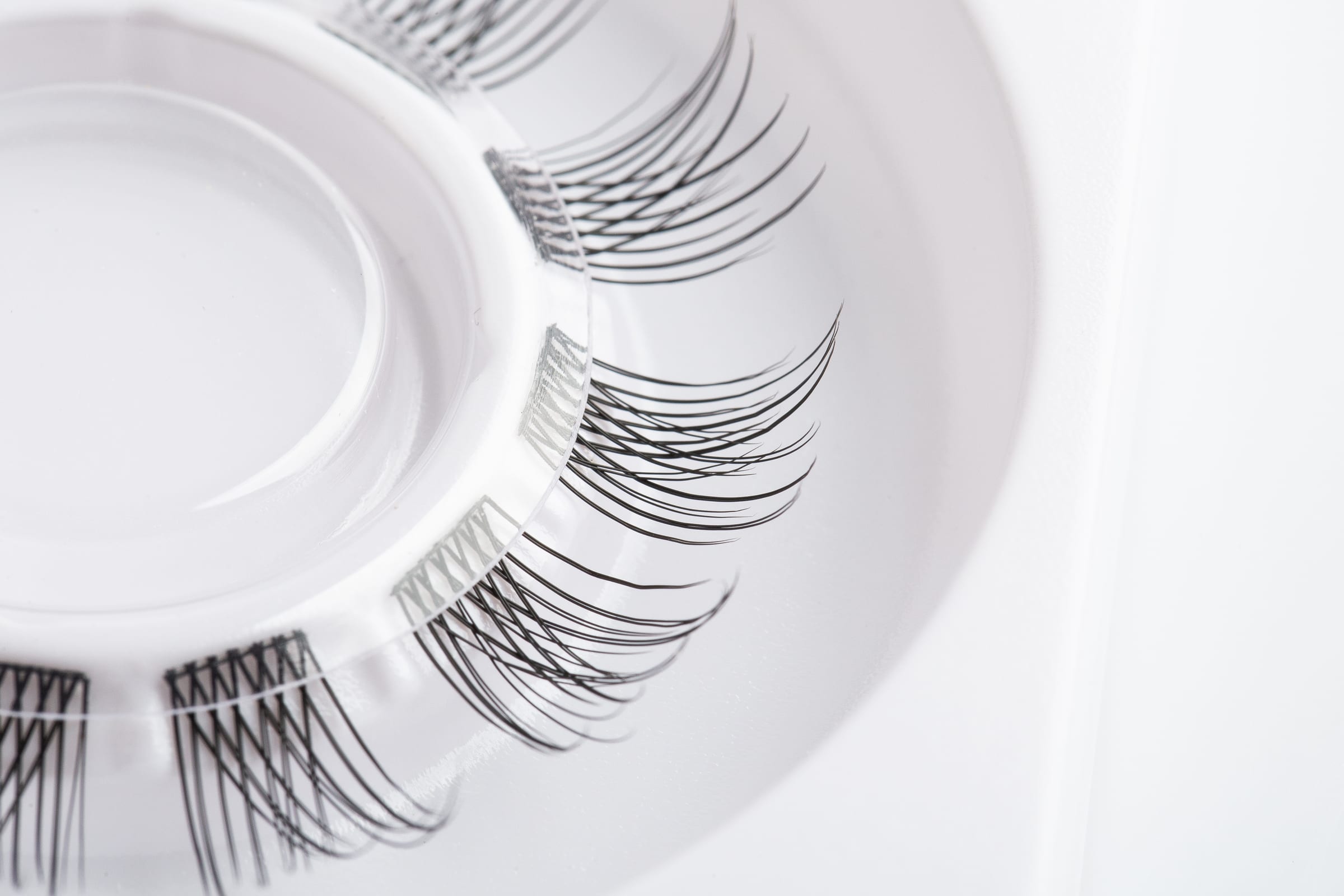
Define the opportunity before the construction
State who the product is for, where it will be sold and what job it should perform in the range. A convenience-led half lash, a refillable DIY cluster system and a professional fan structure may all look innovative, but they solve different buyer and channel problems. The development team needs one commercial role before it can make useful technical choices.
- Target consumer or professional user
- Sales channel and intended price position
- Use occasion or application problem
- Hero, supporting, refill or upgrade role
Decide whether the idea needs a new style or a new format
A new style changes the visual outcome inside an established construction: map, density, curl, length progression or finish. A new format changes how the product is built, handled, applied, protected or replenished. Separating the two prevents a styling adjustment from turning into an unnecessary engineering project—and prevents a genuinely new application system from being approved as a photograph alone.
- Style: visible map, density and finish
- Structure: band, root, stem or segment geometry
- Application: pickup, placement, adhesive or tool route
- System: tray, protection, refill and instructions
Choose the right development depth
The fastest route is not always the lowest-risk route, and the deepest route is not always commercially necessary. UNIBEAUTY separates three paths: an existing verified base with brand presentation, an adjusted product using a proven manufacturing direction, or a bespoke material-and-structure program. The brand can then spend development time where the product needs a defensible difference.
- Existing base + branded presentation
- Adjusted map, density, band, root, kit or finish
- Bespoke fiber, structure or application direction
- Custom packaging architecture when the product requires it
Translate the consumer outcome into testable variables
Words such as soft, natural, invisible or easy to apply are useful goals, not production specifications. Translate each word into the variables that can create the experience. Depending on the format, that can include fiber feel and resilience, curl response, thickness, density, length map, root or band visibility, segment count, pre-glued protection, applicator geometry, tray release and instructions.
- Desired experience and visible result
- Material and fiber direction
- Construction and application variables
- Packaging and protection requirements
Build one controlled prototype question
Do not ask one sample to test every possible difference. Create a comparison that holds most variables steady and changes the decision that matters. A 30P versus 40P segment direction, a full strip versus half-lash architecture or two root profiles should be reviewed under the same intended use conditions wherever practical. Record what must improve, what must not change and what result would reject the direction.
- Control reference
- One primary variable or linked variable set
- Must-have and must-not-change attributes
- Pass, revise and reject criteria
Review appearance, use and operations separately
A concept can look distinctive and still fail during pickup, application, tray release, pack-out or repeat production. Review the on-eye or finished appearance, the user's handling experience and the operational system as three connected but separate decisions. Product visualizations and multi-angle images help teams discuss the direction; physical samples remain the approval reference.
- Visible result and style consistency
- Pickup, placement, comfort or removal behavior
- Tray, tool, component and instruction fit
- Manufacturing and QC feasibility
Lock the version that can be manufactured again
The approved innovation is the complete version—not only the lash in a photograph. Retain the physical reference, material and structure direction, component list, tray and packaging version, artwork, product-specific QC points and any approved deviations. If a material, process or component needs to change later, compare the proposed change against this record before it enters a repeat order.
- Approved physical sample and specification
- Component and packaging version
- Product-specific QC checkpoints
- Controlled-change and repeat-order record
Use innovation where it creates a business advantage
UNIBEAUTY's development platform can support new segment configurations, half-lash directions, adjusted root or band structures, material-led differentiation and channel-specific kits. These are development capabilities, not a promise that every idea is feasible or commercially suitable. The brand, intended buyer, physical sample and manufacturing review decide which concept should become a production program.
- Distinct consumer or artist value
- A reason the channel can explain
- A product experience deeper than a name change
- A controlled route from sample to replenishment
Buyer questions
Can UNIBEAUTY develop a lash product that is not in a standard catalog?
Yes, when the intended use and technical route are feasible. Development can begin with a new material, style, structure, application or packaging hypothesis, then move through comparison samples and project-specific manufacturing review.
What should a beauty brand provide for a new lash concept?
Provide the target buyer, channel, intended price position, use occasion, desired experience, relevant references, attributes to avoid and the commercial role of the product. Technical variables can then be developed through the brief and sampling process.
Does a visual rendering approve a new lash product for production?
No. A rendering helps teams align on visible direction. Physical samples, use testing, component fit, packaging review, feasibility and the agreed production and QC record are still required.
Related UNIBEAUTY capability pages
These official pages document the wider product-development, manufacturing and packaging model behind this guide.